













Annual Report
2024-2025
Annual Report
2024-2025

Our Partners

Our Partners

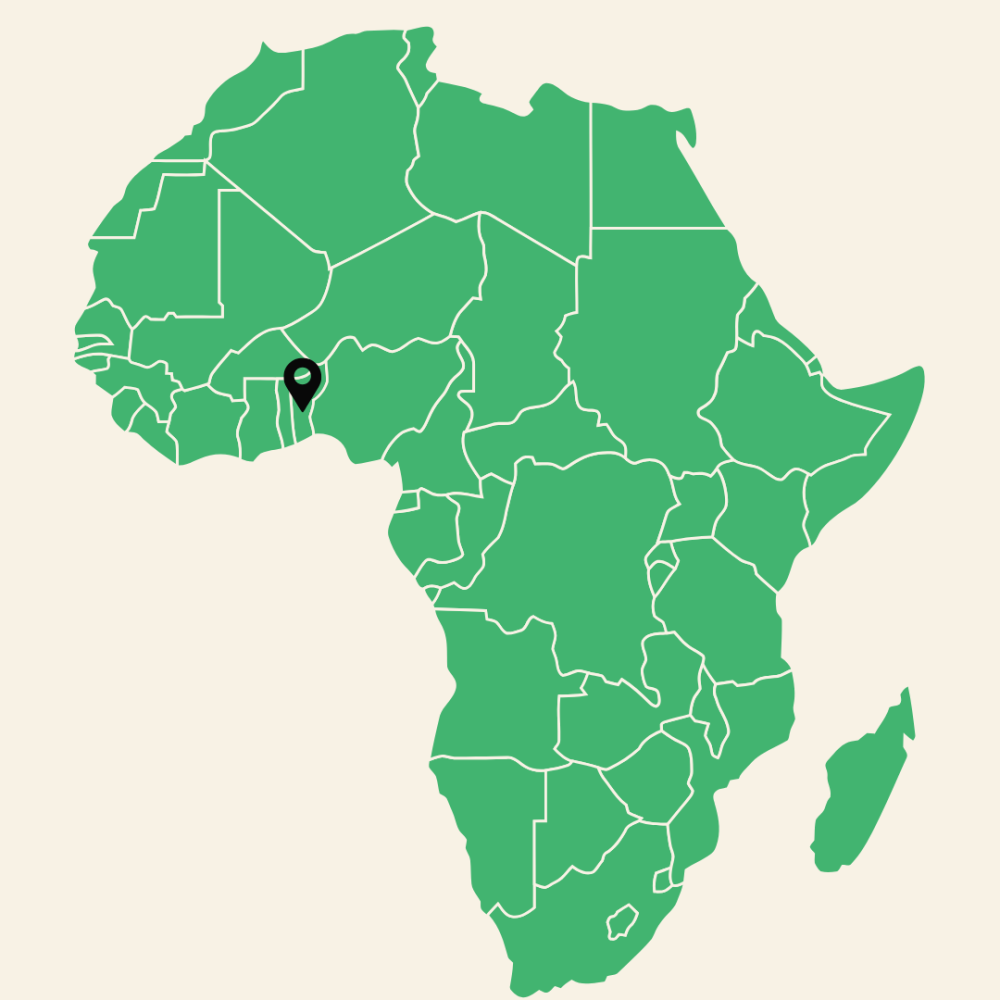
Benin

Réseau coopératif des organisations professionnelles de manioc et de maïs (RC-OPMM)

Founded in 2013, RC-OPMM of Adja-Ouèrè consists of 14 member groups with a total of 440 individual members. The groups are mainly involved in maize and cassava production, as well as processing cassava into gari, lafou, chips, and tapioca. Some also engage in palm oil and vegetable farming.

Fédération des unions de producteurs agricoles du Bénin (FUPRO)

FUPRO offers services for marketing agricultural products, as well as seed production and sales. It operates in all 77 communes of Benin and includes 15 member organizations.

Fédération nationale des femmes agricultrices du Bénin (FéNaFAB)

FéNaFAB unites women and women's organizations from all agricultural sectors in Benin.

Plateforme nationale des organisations de producteurs agricoles du Bénin (PNOPPA)

PNOPPA advocates with the Beninese government on behalf of farmers in Benin.

Union communale des producteurs (UCP)

Created in 2006, the UCP of Djidja consists of eight member cooperatives organized around value chain activities such as maize, cassava, cotton, and soybean production and processing, as well as livestock farming. It provides input supply and collective marketing services and specifically supports women's groups involved in processing maize, cassava, and soybeans.

Union des coopératives des femmes transformatrices agricultrices (UCoFAT)

UCoFAT was established after a visit to Quebec by a delegate from UGAM, who participated in a training on women’s leadership. This Union, affiliated with UGAM, consists of 45 groups of women farmers and processors.

Union des groupements coopératifs des agriculteurs Mowossokpo (UGAM)

Since 2007, UGAM has provided six essential services, including financing, the supply of certified fertilizers and seeds, collective marketing, and agro-environmental advice. UGAM has 3,247 members, including 1,887 women, in the Savalou-Bantè region.

Projects:

  • Femmes Hwé-Nou
  • Support Project for Economic Services
  • Professionalization Project for the Collective Marketing System in the Savalou Bantè Region

Bolivia

Central Local de Cooperativas Agropecuarias Caranavi Ltda (CELCCAR)

A cooperative organization of 240 members, primarily active in the coffee, citrus, and fruit sectors.

Centro de promoción y salud integral (CEPROSI)

CEPROSI works to improve access to health services and develop family garden projects in urban areas.

Unidad de Negocios de Especias y Condimentos (UNEC)

UNEC produces, processes, and markets high-quality spices, essential oils, and condiments.

Projects:

  • Support Project for Financial Services of Producer Organizations (PASFOP - FO4LA)
  • Market Access Improvement Project (PAAM - SEPOP 2)

Burkina Faso

Union des sociétés coopératives pour la commercialisation des produits agricoles dans la Boucle du Mouhoun (USCCPA/BM)

USCCPA/BM has more than 1,500 members, 45% of whom are women.

Réseau des organisations paysannes et des producteurs agricoles de l’Afrique de l’Ouest (ROPPA)

Founded in July 2000, ROPPA brings together organizations from West African countries to promote effective and sustainable family farming.

Confédération paysanne du Faso (CPF)

CPF was established in 2002 after a peasant congress. It is a platform of 15 umbrella organizations that enables small-scale farmers to work peacefully and earn a decent living.

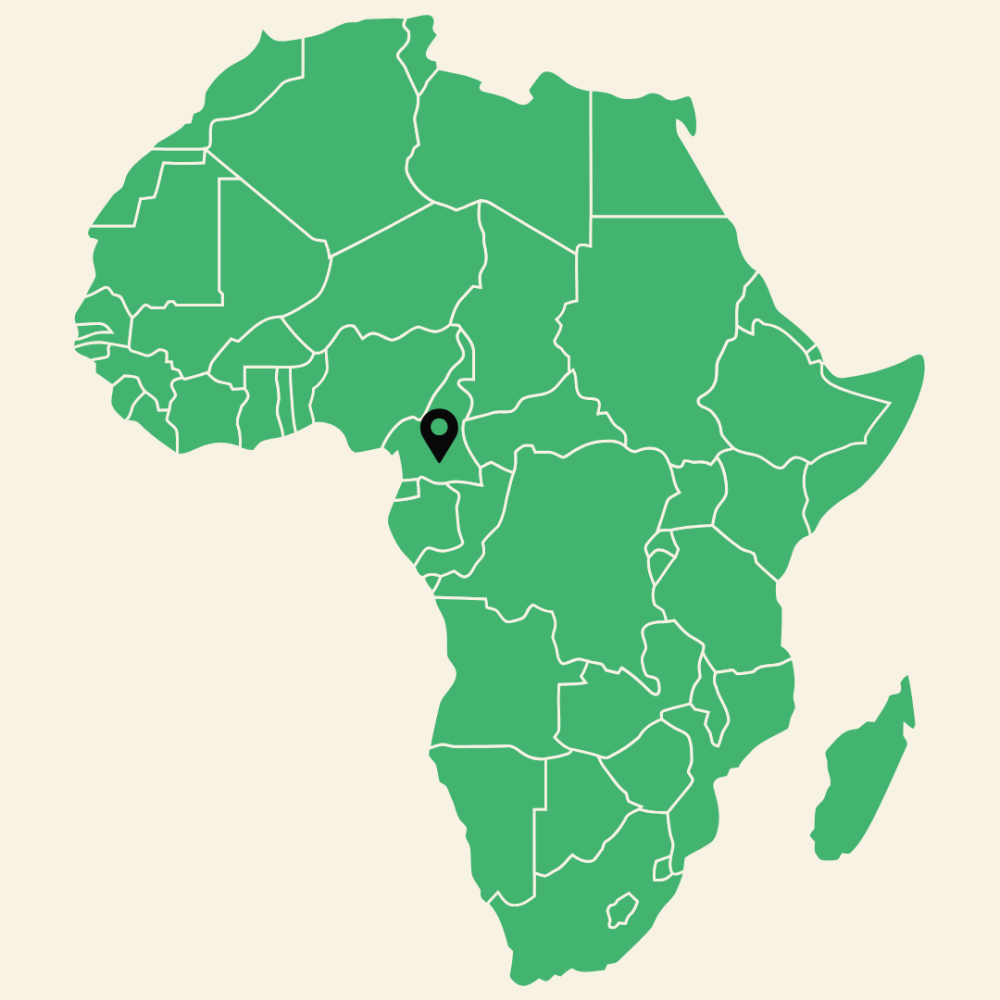
Cameroon

Plateforme régionale des organisations paysannes d'Afrique centrale (PROPAC)

PROPAC groups national platforms of small-scale farmers from the ten member countries of the Economic Community of Central African States (ECCAS)/Central African Economic and Monetary Community (CEMAC). Its mission is to harmonize the strategies and actions of national farmers' organizations in Central Africa.

Concertation nationale des organisations paysannes du Cameroun (CNOP-CAM)

CNOP-CAM consists of 5,172 member farmers' organizations, including 66 federations, 22 associations, 63 cooperatives, 629 unions of common interest groups (GIC), and 4,392 GICs.

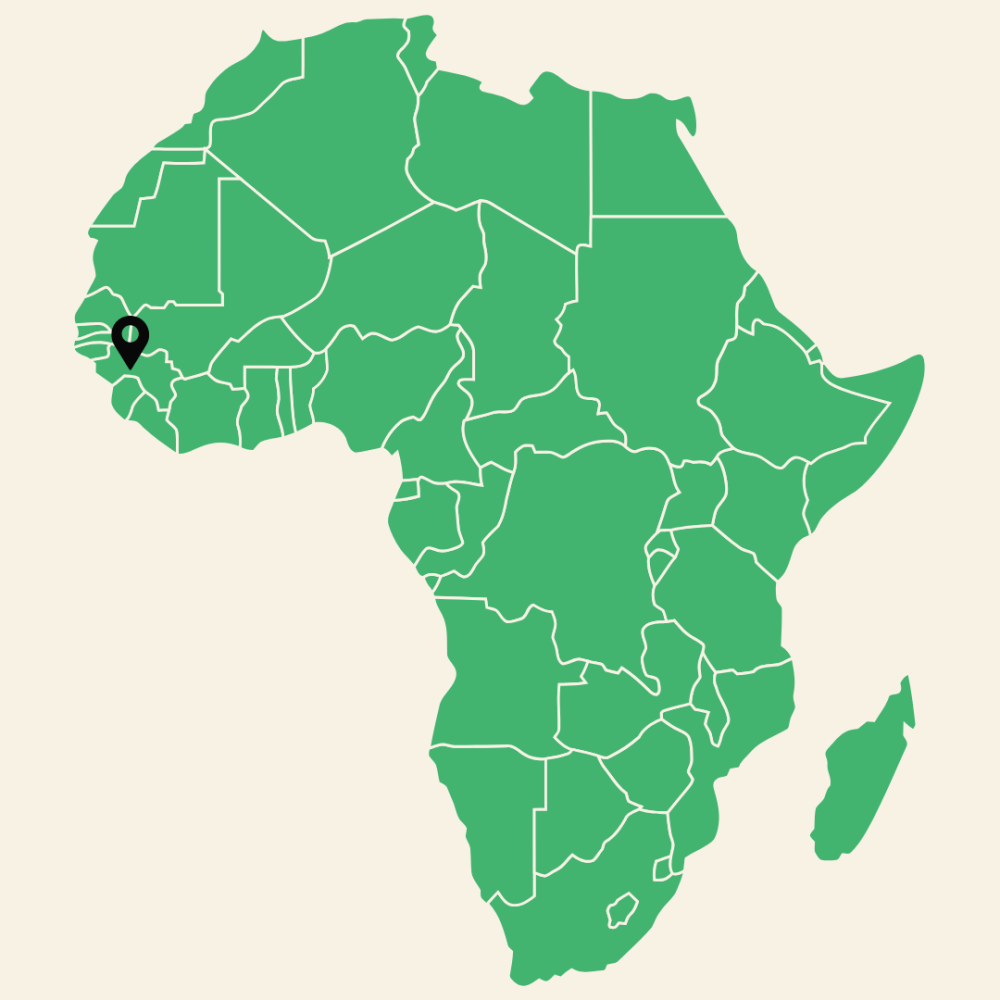
Guinea

Coopérative des producteurs d'arachides, de karité et de miel (COPRAKAM)

The Cooperative of Peanut, Shea Butter, and Honey Producers (COPRAKAM) is a non-governmental farmers' organization created in 2009 in Dabola, a town located 410 km from the capital, Conakry, in Guinea. This structure is mainly active in the production, processing, and marketing of products from its three main sectors: peanuts, shea nuts, and honey. COPRAKAM is made up of 131 groups that form eight unions, including six unions in the shea nut sector, one union in the peanut sector, and one union in the beekeeping sector. The unions and groups have a total of 4,259 members, of whom 3,469 are women (including 300 young women) and 790 are men.

Conseil national des organisations paysannes de Guinée-Conakry (CNOP-G)

Founded in 2004, CNOP-G unites the forces of 9 federations and 46 unions of producers, spread across the entire territory of Guinea-Conakry, representing 18,000 groups and approximately 480,000 members.

Fédération des arboriculteurs du Fouta Djalon (FAFD)

The FAFD was founded in 2014 and covers four administrative regions in Middle Guinea: Mamou, Boké, Kindia, and Labé. It consists of 21 unions, 277 groups, and 6,268 members. Its main sectors are fruit trees, coffee, and forestry.

Fédération des apiculteurs du Fouta Djalon (FAPI)
Fédération des paysans du Fouta Djalon (FPFD)

The FPFD, created in 1992, is a farmers' organization operating in the eight prefectures and two regions (Mamou and Labé) of Fouta Djalon in the Republic of Guinea. Its overall objective is to increase the income of producers through the development of three production sectors: potatoes, onions, and tomatoes.

Project :

  • Femmes Pro-Forêts: Climate Change Adaptation Project in the Middle Bafing National Park

Haiti

Union des coopératives caféières de Baptiste (UCOCAB)

UCOCAB revitalizes coffee production by developing the coffee value chain in Haiti's central plateau. It consists of 8 cooperatives with 1,800 members, 48% of whom are women.

Fédération des organisations de paysans et agriculteurs pour le développement économique et social (FOPADES)

FOPADES consists of 11 groups in the Labrousse region and contributes to food security through community kitchens and school canteens.

Centre d’éducation et de développement intégré – Village de l’Espoir (CEDI-VE)

CEDI-VE has about 100 members and focuses on development activities in education, health, agriculture, and women's issues.

Fédération des groupements paysans de Limbé (FGPL)

The purpose of the FGPL is to bring together as many peasant groups as possible into a democratic structure. This allows them to access adequate services, serve as the voice of farmers in the region, and mobilize members for development actions.

Fondation pour le développement économique et social (FODES-5)

FODES-5's mission is to promote economic, social, and cultural development in its area of intervention by helping local populations develop economic strategies and basic social services aimed at improving their quality of life. The population in the intervention zone is estimated at around 48,000 people.

Encadrement des petits paysans des mornes et des plaines d’Haïti (EPPMPH)

Based in Rivière Froide, EPPMPH's mission is to support farmers in improving their living conditions through agroecology training and education in health and social care.

Konbit Fahn Kaskad-Dibrey (KOFAKAD)

KOFAKAD is an organization of 140 female members. This group aims to improve the living conditions of women and children through agricultural production, agro-food processing, and training.

Collectif des femmes paysannes pour l’avancement de la communauté de Doriole (COFPACOD)

COFPACOD was founded on August 8, 2021, in the commune of Miragoane, Nippes department, Haiti. The collective aims to work toward improving the living conditions of community members, particularly women. The organization works in agriculture, health, environmental protection, and small business development.

Union des femmes du 6e Jamais-Vu (UF6J)

UF6J is a women's organization located in the Côte-de-Fer region of Haiti. UF6J focuses its efforts on empowering rural women, protecting the environment, and educating disadvantaged children.

Projects:

  • Carboneutre Ayiti / FO-RI
  • Circular Economy
  • Climate Adaptation and Value Chain Development

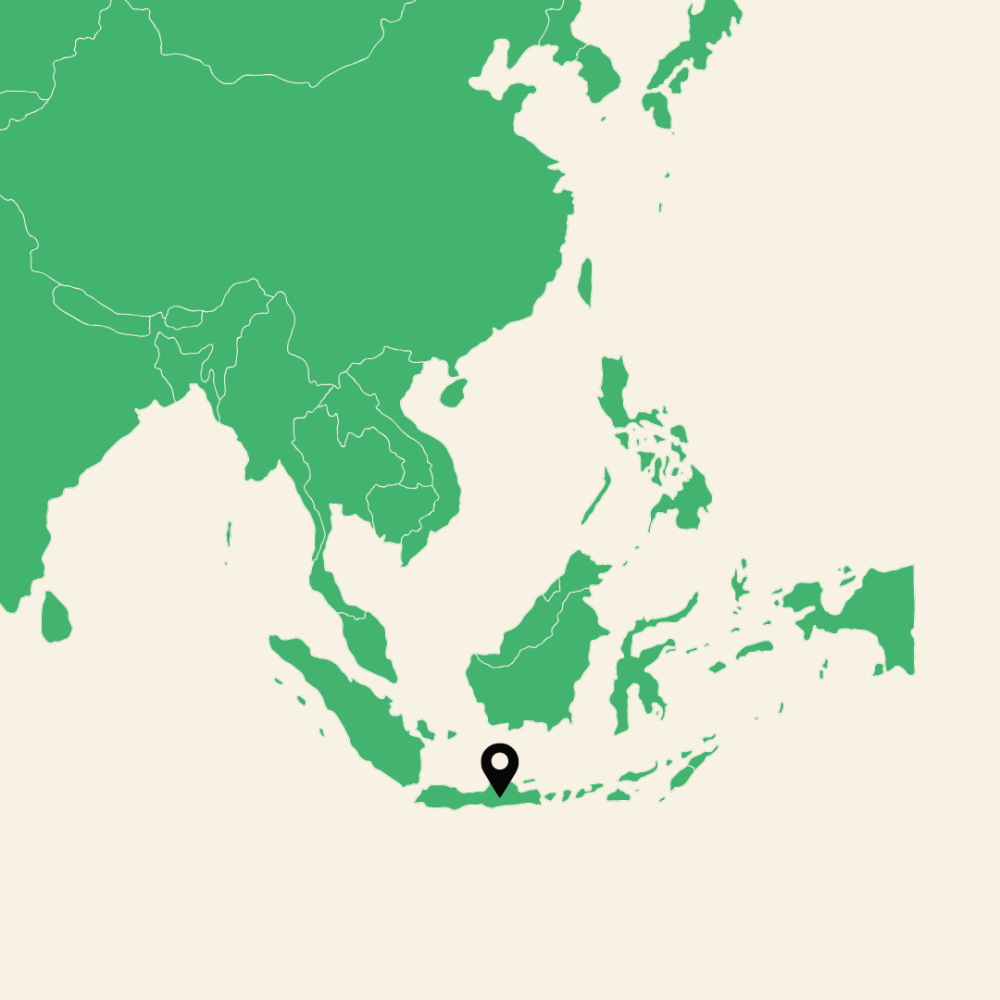
Indonesia

Kooperasi Serba Usaha Ngudi Makmur (KSUNM)

A cooperative of 3,141 members offering services such as certified organic rice seed production, bulk purchasing and distribution of organic inputs, and collective marketing.

Kooperasi Karya Manunggal (KOKAMA)

A women’s cassava processing cooperative that facilitates access to credit and processing equipment, while collectively marketing processed products.

Himpunan Tani Ngudi Makmur (HTNM)

A regional organization with 8,000 members that provides training, member services, and engages in advocacy activities.


Projects:

  • UPSCALE – Upscaling local businesses

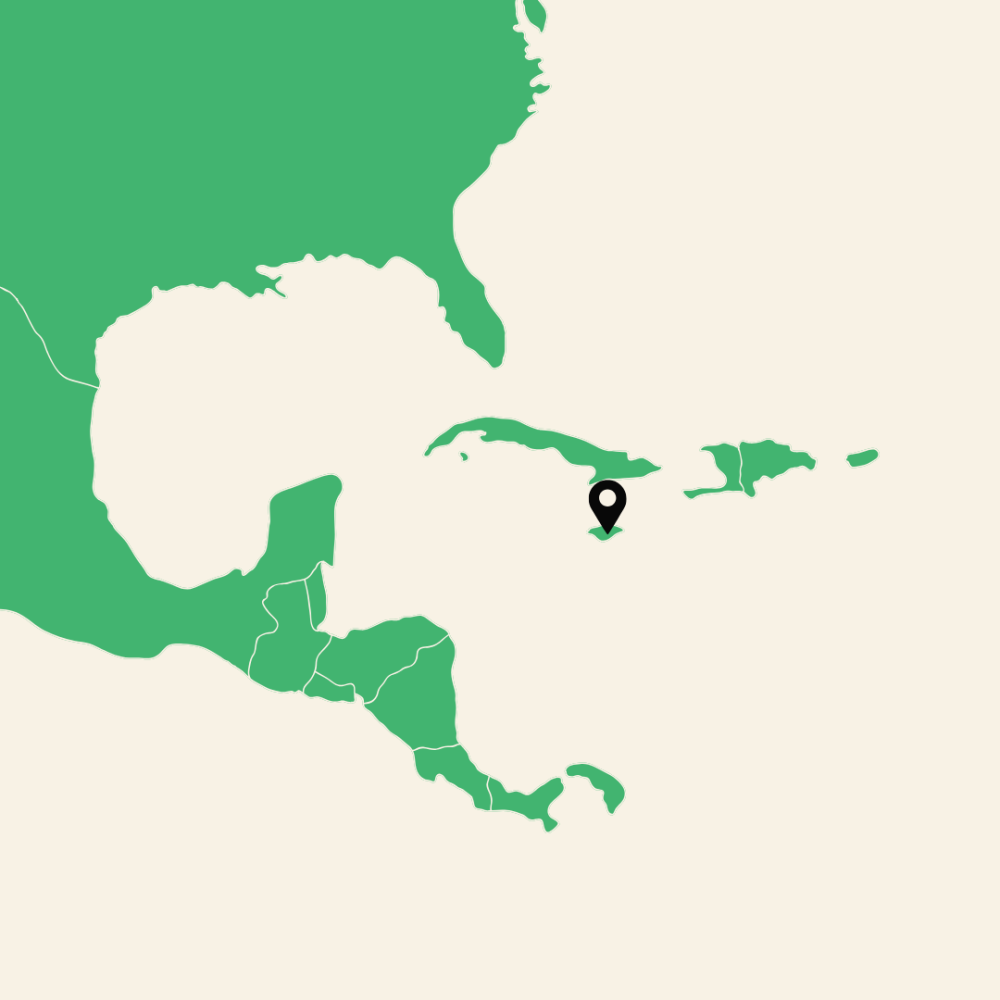
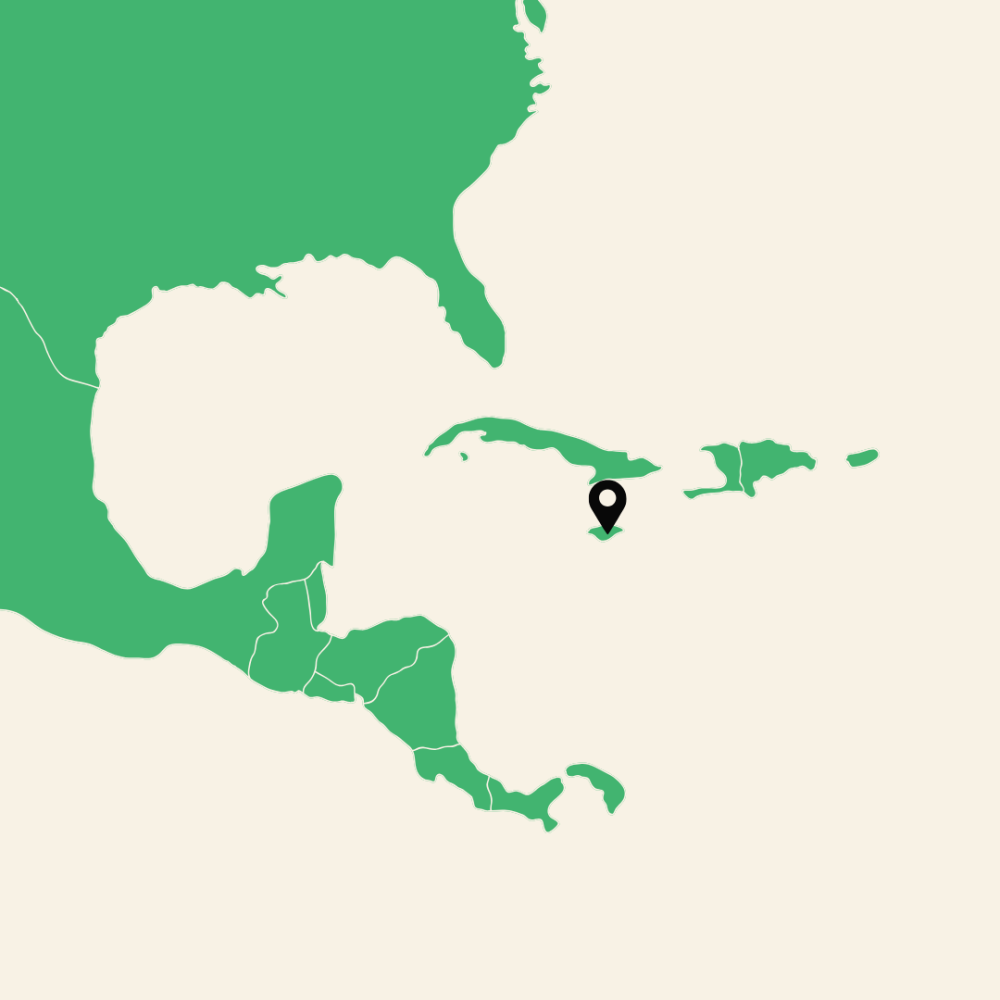
Jamaica

Jamaïcan Coffee Growers Association (JCGA)

The JCGA is a producer organization involved in the coffee value chain with strong export potential. It promotes and represents the interests of small coffee producers who own less than two hectares of land. The JCGA manages functions that support crop production, agro-food processing, and the marketing of coffee producers through technical advice, promotion, and price negotiation.


Project:

  • Support Project for Collective Services for Coffee Producers

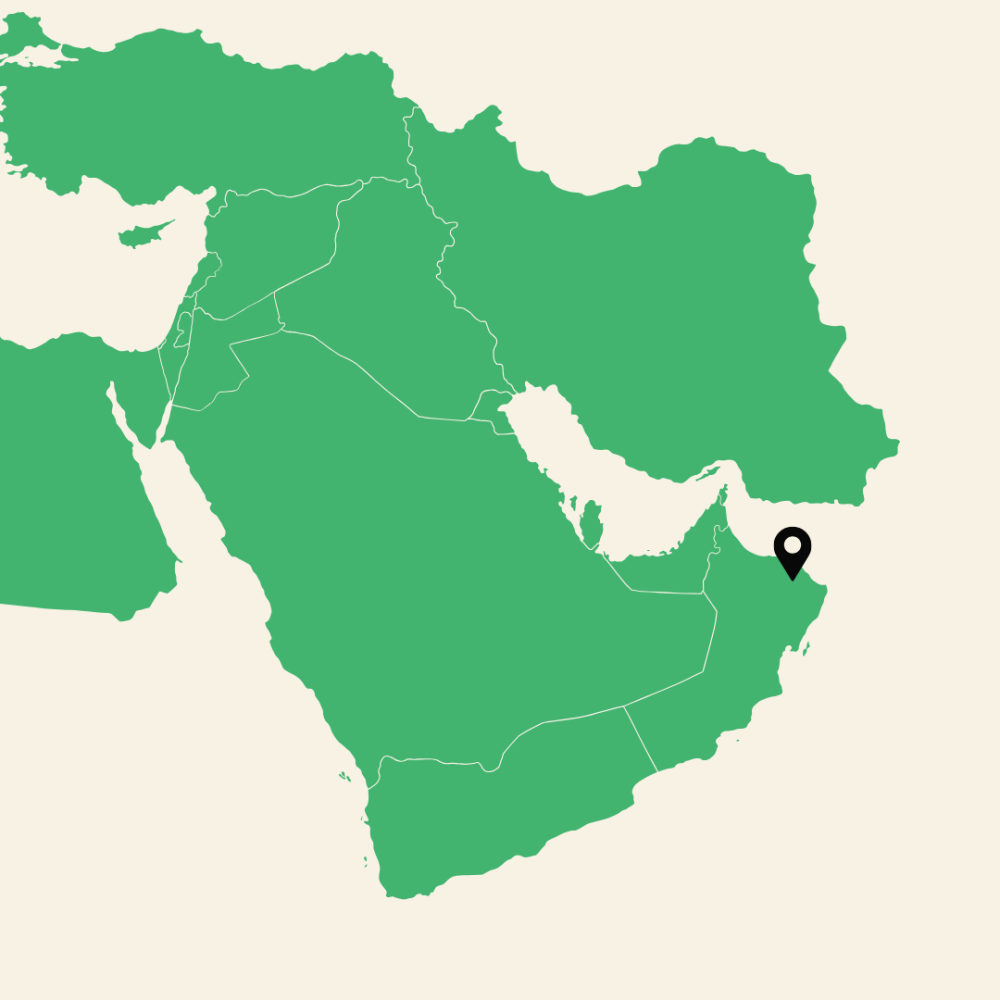
Oman

Omani Farmers Association (OFA)

Present throughout the country, this association offers its members various services such as market information, advisory services, capacity building, credit access, and input supply.

Project:

  • Strengthening Omani Farmers' Associations for Family Farming and Food Security Improvement

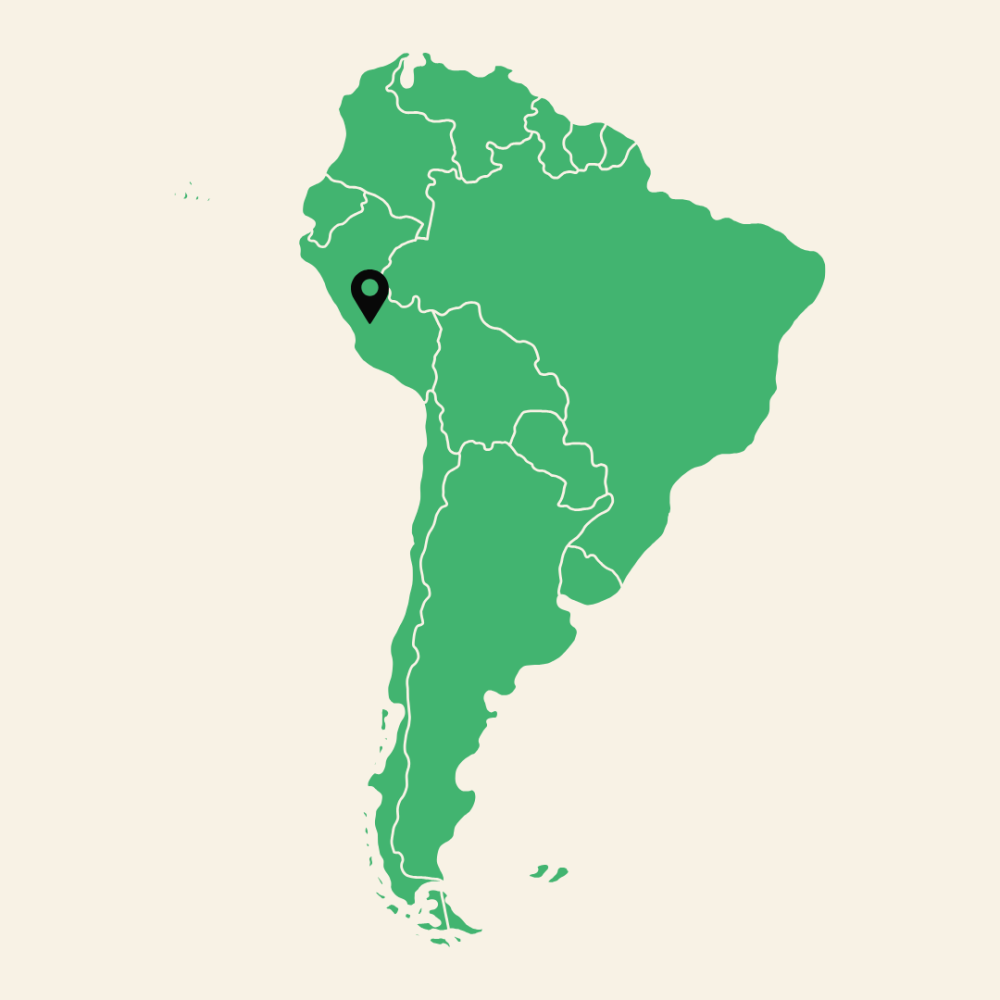
Peru

Cooperativa Agraria Cafetalera San Fernando

A cooperative with nearly 1,000 members active in the certified coffee export sector.

AYNE PERU

Founded in 1998, this organization leads the network of solidarity economy initiative groups in Peru.

Project:

  • Market Access Improvement Project (PAAM - SEPOP 2)

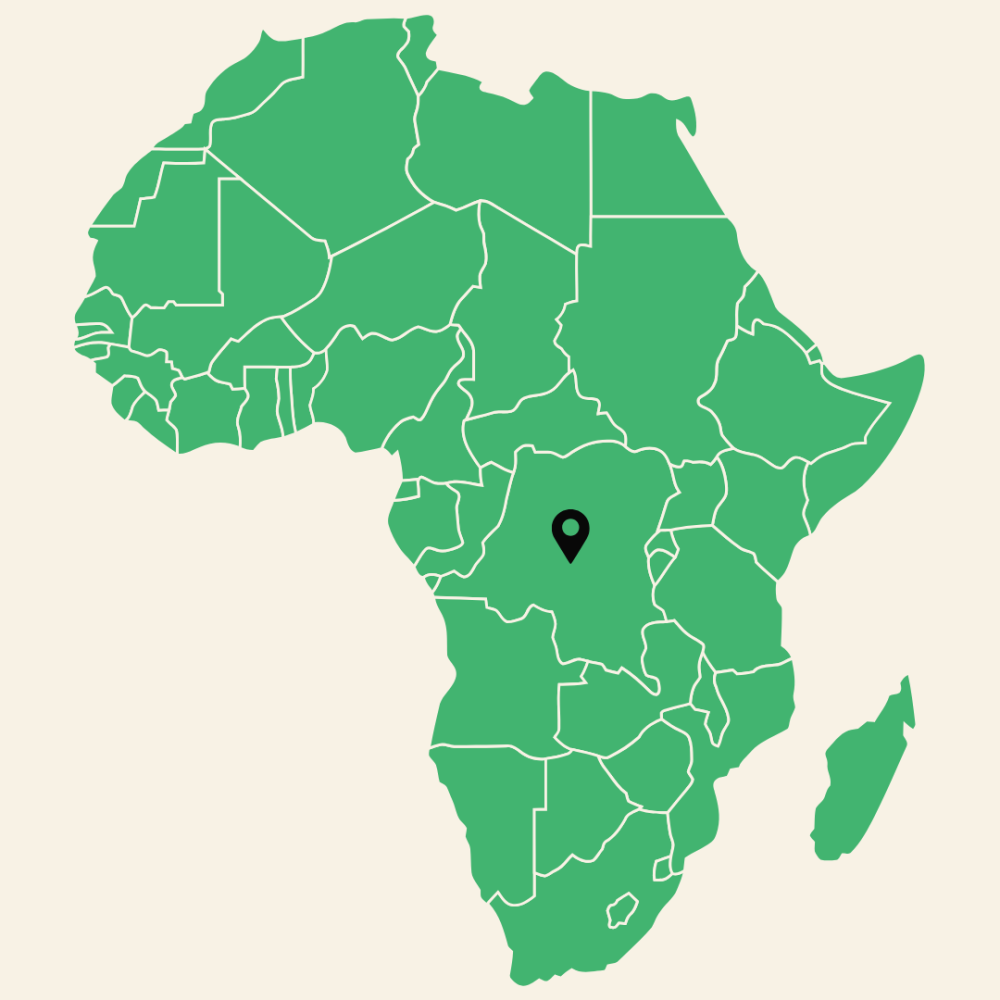
Democratic Republic of Congo

Confédération nationale des producteurs agricoles du Congo (CONAPAC)
Confédération paysanne du Congo (COPACO)

COPACO brings together women and men across the country who work in agriculture, livestock farming, fishing, hunting, and crafts. It plays a role in advocacy, defense, and coordination to promote family farming.

Coopérative agricole de Lonzo (COPALO)

COPALO brings together 10 associations, including three women's associations. The cooperative helps improve agricultural production and the income of its 1,110 members. It also aims to foster a savings culture within the rural population.

Regroupement des femmes paysannes de Kabuba (RFPK)

Created in 2018, the RFPK has 120 members, including 35 young people. Its objectives are to fight poverty and social injustices in the village, develop a solidarity fund, provide literacy training for women, inform women of their fundamental rights, and establish a collective marketing system.

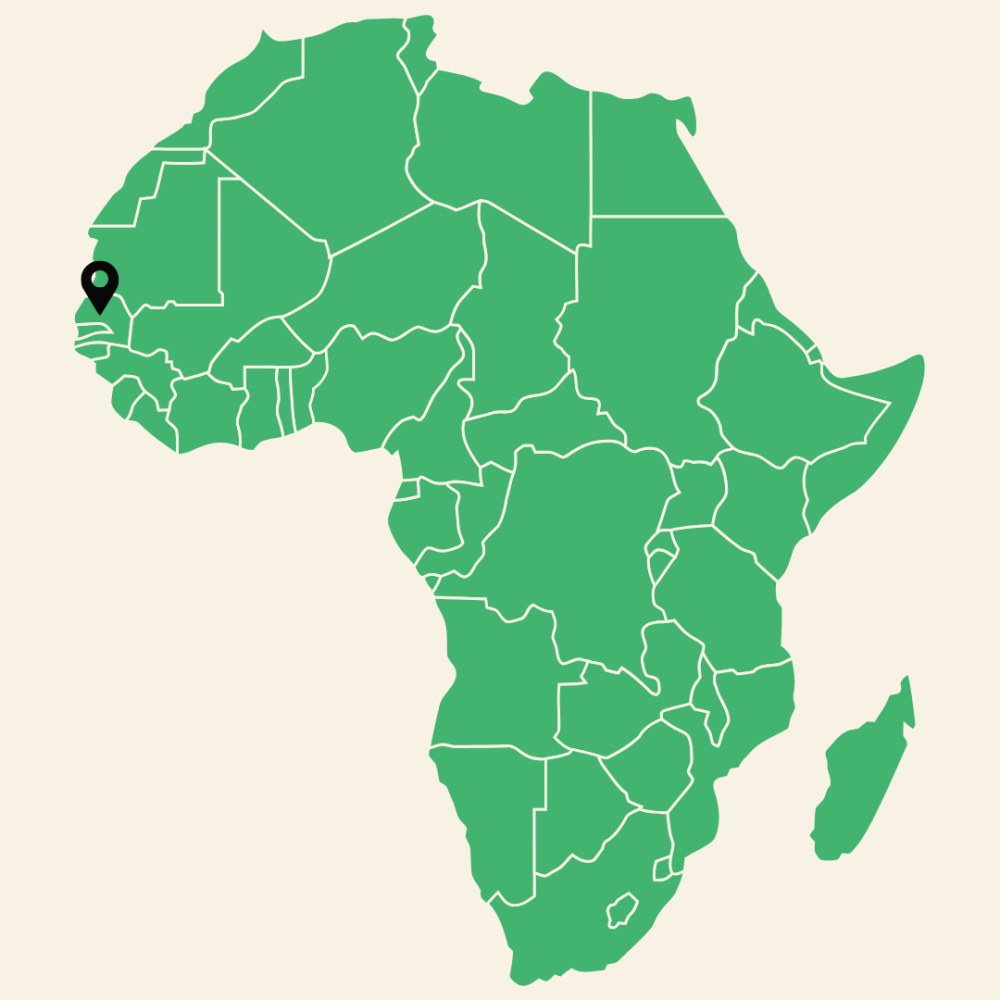
Senegal

Conseil national de concertation et de coopération des ruraux (CNCR)

The CNCR is a farmer movement that brings together the largest number of agricultural producers in Senegal, encouraging the state to discuss issues related to agriculture.

Association sénégalaise pour la promotion du développement par la base (ASPRODEB)

ASPRODEB was born from the mutual commitment of the Senegalese government, professional agricultural organizations, and local elected officials. This association provides professional agricultural organizations with services to strengthen technical and organizational capacities, financial management, and advisory support.

Fédération des organisations non gouvernementales du Sénégal (FONGS)

FONGS aims to create a strong associative movement that restores the status and identity of rural women and men through empowerment and autonomy in order to address the challenges facing the rural world.

Fédération des groupements associés des paysans de Baol (FEGPAB)

FEGPAB contributes to sustainable and endogenous development through well drilling, the establishment of cereal warehouses, and reforestation activities. It has 1,720 members, 65% of whom are women.

Union régionale des associations paysannes de Diourbel (URAPD)

Founded in 1978 and officially recognized in 1993 by the Ministry of the Interior of Senegal, URAPD is a non-profit association in the Bambey department. It comprises 36 village groups with 1,697 members, 65% of whom are women.

Fédération des périmètres autogérés du Sénégal (FPA)

The Federation of Self-Managed Areas (FPA), located in Ross Béthio in the Saint-Louis region, is a farmers' organization that is an active member of the National Council for Rural Consultation and Cooperation (CNCR) in the rice sector, both in terms of production and processing.

Cadre de concertation des producteurs d’arachides (CCPA)

The CCPA consists of 48 groups and 8,000 members in the Kaolack region. Its activities primarily focus on seed production, marketing, and peanut processing.

Union des groupements paysans de Meckhé (UGPM)

The UGPM has 5,000 members, 65% of whom are women. The Union has set goals in environmental management and restoration, the development of income-generating activities, combating rural exodus, and enhancing peasant identity.

Projects:

  • Circular Economy
  • Strengthening Agricultural Adaptation (SAGA 2) | Kéew

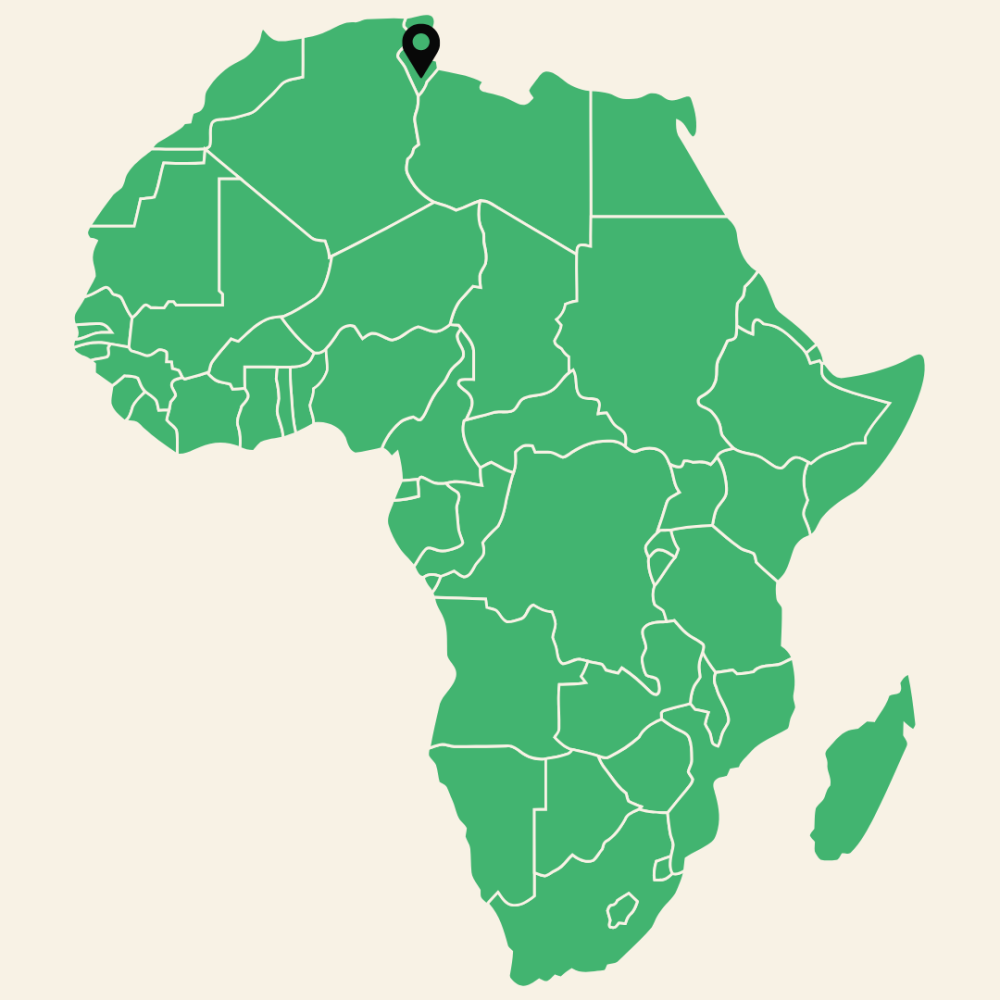
Tunisia

Union tunisienne de l’agriculture et de la pêche (UTAP)

A national, independent, democratic, and unionized development and service organization that represents, defends, and protects the interests and rights of farmers and fishers, both men and women.

Union maghrébine et nord-africaine des agriculteurs (UMNAGRI)

A regional professional agricultural organization that brings together and defends the interests of farmers in Tunisia, Mauritania, Morocco, Algeria, Libya, and Egypt.


Project:

  • Structuring Project for Economic and Environmental Services for Tunisian Agri-food Processors

STRATEGIC PARTNERS

Board of Directors

Martin Caron

President of the Board of Directors

Hélène Raymond

Vice-President

Gib Drury

Board Member

Stéphane Alary

Board Member

Daniel Gobeil

Board Member

Luc Morin

Board member - Chairman of the Finance and Audit Committee

Rémy Trudel

Board Member

Valérie Fortier

Board Member

Nathalie Lemieux

Board Member

David Beauvais

Board Member

UPA DI Team

Hugo Beauregard-Langelier

Chief Executive Officer

Léa Bissonnette-Lavoie

Project Officer, Training

Francis Boursier

Project Officer

Ghady Chedrawi

Agroeconomist, Organizational Development

Julie Comeau

Executive Assistant

Martin Couture

Director, Programs, Training and Innovation

Jennifer Crawford

RAI Coordinator

Hélène Dionne

Assistant Accountant

Radoslava Emilova

Chief Financial Officer

Gabrielle Harewood

Project Officer, Business Development
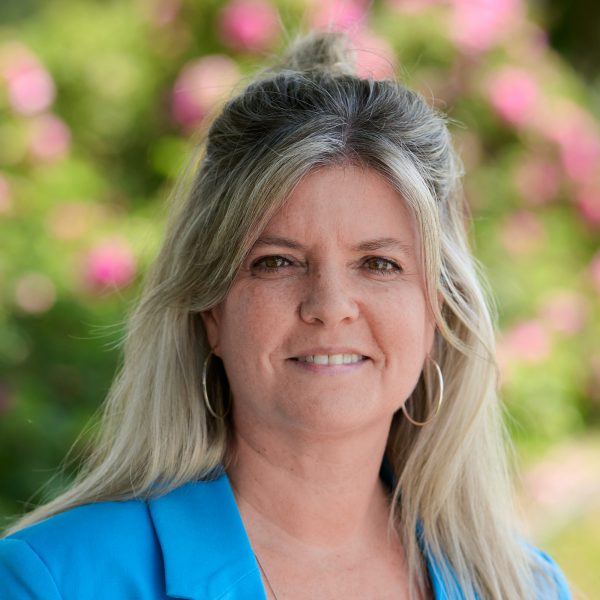
Mélanie Lacroix

Program Manager

Simon Lavoie

Agroeconomist

Jean-Frédéric Lemay

Program Manager, Monitoring, Evaluation, and Learning Specialist

Guillaume Lewis-Larivière

Assistant Accountant

Mabel Linero

Accounting Technician

Élise Lortie

Program Manager

Caroline Mailloux

Program Manager, Climate Change Specialist

Christèle Mbounja

Project Officer

Marie-Luce Meillerand

Administrative Technician

Mélanie Morel

Program Manager, Climate Change Specialist

Martineve Pajonas-L'Heureux

Director of Business Development

Marion Provencher Langlois

Program Manager, Gender Equality, Inclusion, and Diversity Specialist

Élodie Rousselle

Program Manager, Business Development
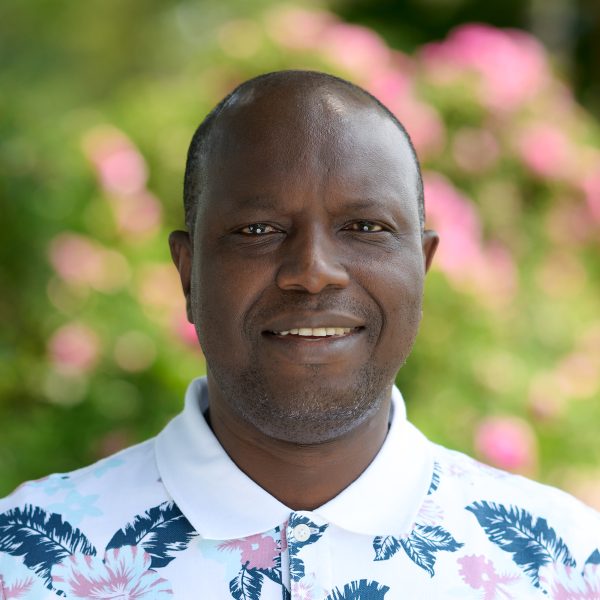
Moussa Sane

Accountant

Brigitte Savard

Administrative Technician

Matthieu Sirois

Accountant

Maxime Soucy

Project Officer

Andréanne Soucy

Communications and Marketing Officer

Mireya Tates

Administrative Technician

UPA DI Guinea

  • Thierno Mamadou Pathé Diallo - Driver
  • Djenabou Bah - Information and Communication Assistant
  • Oumarou Bah - Administrative Assistant
  • Souleymane Bah - Driver
  • Mariama Laabha Bah - Field Agent
  • Oumar Baillo Diallo - Advocacy and Communication Manager
  • Amadou Mouctar Balde - Administrative and Financial Manager
  • Amadou Bailo Balde - Field Agent
  • Mariama Goungoun Balde - Field Agent
  • Rabiatou Balde - Field Agent
  • Ramatoulaye Balde - Field Agent
  • Amadou Mouctar Baldé - Programming Director
  • Boubacar Barry - Driver
  • Maimouna Barry - Head of Women's Economic Empowerment and Gender Equality
  • Mamadou Saliou Barry - Field Agent
  • Barry Daouda - Forestry Specialist
  • Mamadou Tafsir Diallo - Project Director
  • Boubacar Diallo - Field Agent
  • Djibril Mariama Diallo - Field Agent
  • Fatoumata Bhoye Diallo - Field Agent
  • Fatoumata Lamarana Diallo - Field Agent
  • Hawanatou Diallo - Field Agent
  • Ibrahima Bick Diallo - Field Agent
  • Ibrahima Diallo - Field Agent
  • Marlyatou Poréko Diallo - Field Agent
  • Mohamed Djikoro Doumbouya - Environment and Climate Change Manager
  • Christine Gallaye - Socio-Political Analyst
  • Marcel Gbouomou - Field Agent
  • Célestin Homou Field Agent
  • Moustapha Kallo - Supply Chain and Marketing Specialist
  • Fatoumata Hassanatou Kante - Field Agent
  • Nfaly Keita - Field Agent
  • Koumba Dorcas Koundouno - Field Officer
  • Mamady Aminata Kourouma - Field Officer
  • Elisabeth Finda Leno - Area Supervisor - CEP and Sector Specialist
  • Alpha Oumar Niakasso - Field Officer
  • Edouard Souana Sonomou - Monitoring, Evaluation, Learning, and Accountability Specialist (SEAR)
  • Halimatou Souare - Accounting Assistant
  • Oumou Salamata Sow - Area Supervisor, Economic Empowerment and Gender Equality Specialist
  • Mamadou Bhoye Sow - Field Officer
  • Aissata Damo Traore - Area Supervisor, Environment and Climate Change Specialist

UPA DI Tunisia

  • Mariem Amri - Processing and Marketing Advisor
  • Adel Azzouni - Environment and Climate Change Advisor
  • Nawel Bellali - Regional Coordinator
  • Awatef ben Amor - Processing Trainer
  • Amine Bouabene - Accountant
  • Fayrouz Chemingui - Training Advisor
  • Wided Chiboub - Climate Change Trainer
  • Abir Derbeli - Processing Trainer
  • Saif Eddine Belabed - Communications Officer
  • Rahma Felhi - Gender Equality Trainer
  • Samia Frigui - Secretary
  • Houaida Hammedi - Gender Equality Trainer
  • Sofien Jabbar - Regional Coordinator (Mahdia, Kairouan, Kasserine)
  • Houda Jebali - Marketing and Entrepreneurship Trainer
  • Emna Khalfi - Transformation Trainer
  • Ahlem Limem - Marketing and Entrepreneurship Trainer
  • Wafa Medfai - Marketing and Entrepreneurship Trainer
  • Adnane Mehdi Zbiss - Administrative and Financial Manager
  • Ilhem Messaoudi - Project Director
  • Houda Mtawaa - Climate Change Trainer
  • Manel Mtitmet - Gender Equality Advisor
  • Rania Rezgui - Gender Equality Trainer
  • Najet Sliti - Climate Change Trainer

THANK YOU TO THOSE WHO HAVE JOURNEYED WITH US THIS YEAR

  • Fatma Amdouni
    Environment and Climate Change Advisor
  • Fatoumata Bah
    Field Agent
  • Mamadou Saliou Balde
    Area Supervisor, Farmer Field School Specialist
  • Julie Bissonnette
    Board Member
  • Basma Bousselmi
    Climate Change Trainer
  • Fatoumata Dramé
    Program Manager, Gender Equality, Inclusion, and Diversity Specialist
  • Najah Guesmi
    Transformation Trainer
  • Fantagbè Kaba
    Field Agent
  • Serge Kouadio
    Program Manager, Monitoring, Evaluation, and Learning Specialist
  • Martin Luther Kourouma
    Environment and Climate Change Manager
  • Nathalie Landé
    Program Manager, Climate Change Specialist
  • Marie-Julie Ménard
    Program Manager, Philanthropic Development
  • Jeannine Messier
    Board Member
  • Mario Théberge
    Board Member
  • Souad Trabelsi
    Gender Equality Advisor
  • Samar Zaidi
    Transformation and Marketing Advisor
Martin Caron
President of the Board

The future of agriculture, here and around the world, depends greatly on the decisions we make and the actions we take today. Hence the expression, “The future starts now.”

This projection into the future calls for deep reflection. Are the necessary resources available? Is the sustainability of family farming assured? Are collective marketing systems alive and well? Are structural initiatives continuing to emerge? Does the next generation of farmers have confidence in the future?

Each of these questions is relevant and deserves careful consideration. If the answer to most of them is yes, we must continue along the same path. If the answer is no, we must act, innovate, unite, and collectively change the course of events —preferably sooner rather than later.

This concern for the future is central to the mission of UPA Développement international (UPA DI), which, since 1993, has drawn on Quebec's agricultural values to support the development of a large number of rural communities around the world.  To do this, we pilot environmentally friendly projects that are transferable to future generations and designed to enhance food security and autonomy for populations.

Our local farmers can take pride in all these projects, as well as in the many forms of representation that UPA DI provides to numerous international organizations. Reading this annual report will surely convince you!

Hugo Beauregard-Langelier
Chief Executive Director

While many are content to believe that the future will be the same as the past or trying to revive an idealized version of the past, others are forging ahead, dreaming of a future they are building. For them, the future is not something that simply happens to us, but something shaped by the actions we take.

These dreams to be built and actions to be taken, have been central in the past year at UPA Développement international (UPA DI).  All this leading to the adoption of a new strategic plan, an opportunity to reflect on the mark UPA DI seeks to leave in the evolving landscape of agriculture and international solidarity.

Rooted in its history, engaged in the present, and ambitious towards the future, UPA DI's vision is for those who feed the world and inhabit our agricultural lands to live with dignity from the fruit of their labour. This vision is built on ecological economic growth, strong collective action, and the socio-economic empowerment of women.

But the realization of these aspirations will inevitably depend on young people, the next generation, who will live in a time where the potential for technological and social innovation has never been greater, yet crises have never been more frequent or severe.

If, as they say, history repeats itself, we must trust these young people who will feed us tomorrow to rise to the challenges they will face, just as our ancestors did before us. And if history repeats itself, UPA DI will be by their side to dream, innovate, and build a future driven by collective action, solidarity, equity, social justice, respect, and democracy.

Happy reading!

Your privacy is important to us. By using this site, you agree to data tracking as described in our Privacy Policy.

Necessary data

The tracking of certain data is required for the operation of the website and therefore cannot be deactivated: choice of language, consent and preference on data tracking, etc.

Mandatory

Optional data

In return, the tracking of certain data is optional and requires your consent: collect statistics on traffic, analyze visitors’ journeys to improve the functioning of the website, offer personalized offers, etc.