The Next Generation
Our Commitment to the Next Generation
An African proverb says, “It is at the end of the old rope that we weave the new one.”
Building on the “old ropes” woven by the Union des producteurs agricoles (UPA) since 1924 and the Fédération de la relève agricole du Québec (FRAQ) since 1982,
We have included in our new 2024-2027 strategic plan the development of our very first policy on commitment to the next generation of farmers, or “weaving the new rope”!
The development of this policy will allow us to take the pulse of the realities faced by young women and men, here and elsewhere, when it comes time to get started in agriculture.
Then, we will be able to collectively take action on avenues for improvement in the future. The sustainability of family farming and the full participation of young people in democratic institutions are at stake.
In 2004, we called for at least 25% of young people to participate in the training offered by the Les Savoirs des gens de la Terre program. The future policy will certainly allow us to go even further and implement many new actions!
The Future of Agriculture in Haiti
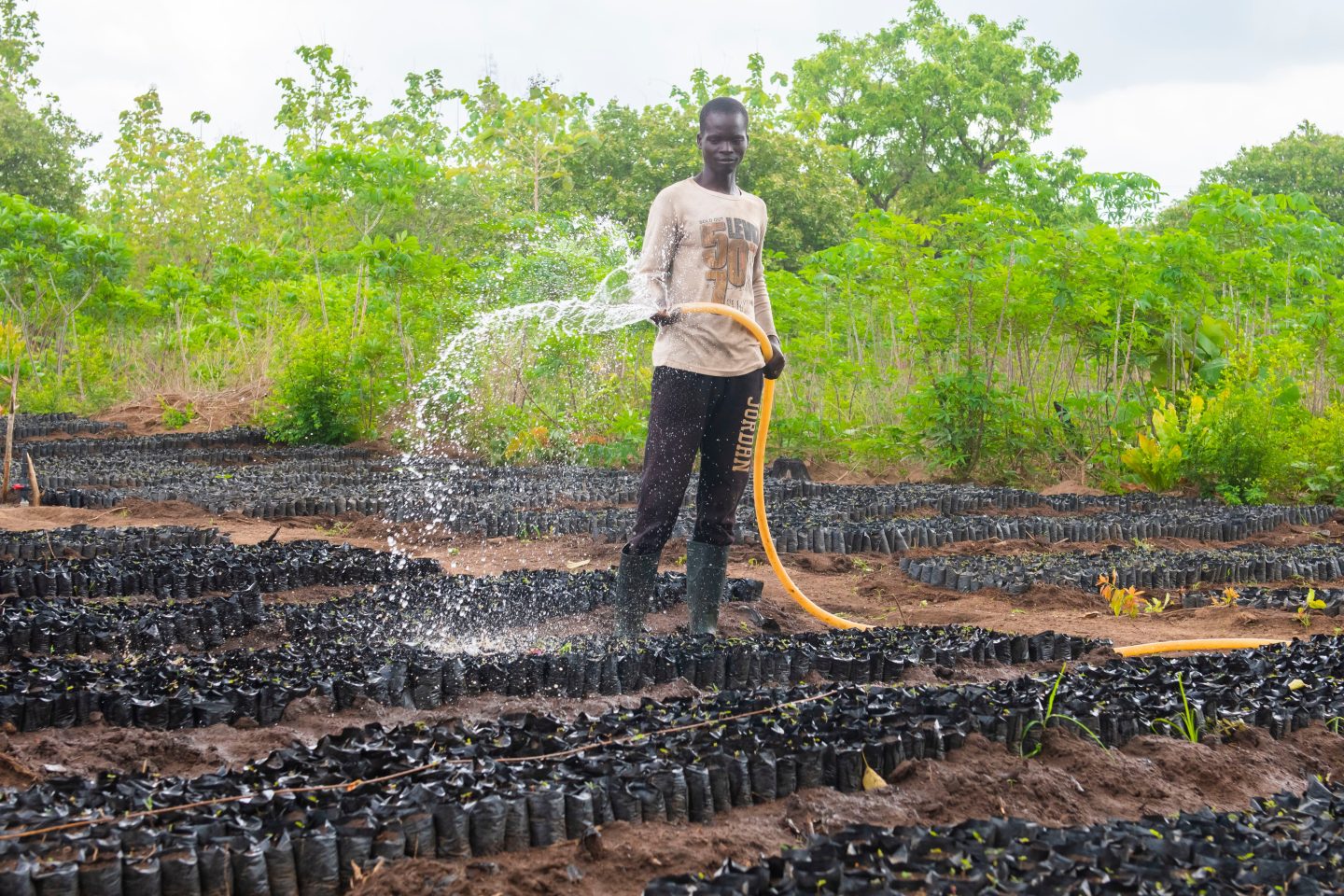
In addition to the major political and societal upheavals shaking the country, the new generation of farmers in Haiti faces challenges that may seem insurmountable.
Land degradation, frequent climate disasters, lack of infrastructure, difficulties in accessing land and financing, lack of technical assistance, difficulty in obtaining inputs, etc.
However, in discussions with Donald Donazald and Micheline Mezadieu, two young agronomists involved with the Union des coopératives caféières de Baptiste (UCOCAB), we found that the next generation intends to play a central role in the future of Haiti's agricultural sector.
“The active involvement of young people in agriculture represents a key opportunity to modernize and make the sector more sustainable. Thanks to their openness to technology and innovation, particularly through sustainable agricultural practices and agro-entrepreneurship, young people can transform the country's agricultural landscape,” Donald tells us.
Micheline agrees. “Young people can transform agriculture in Haiti, especially if they are supported and encouraged by the relevant authorities. They can bring technological innovations, create educational content [...] and promote good agroecological practices.”
For Donald, collective action will be an essential part of this transformation. “I deeply believe in the potential of agricultural cooperatives as a driver of sustainable development and empowerment for rural communities in Haiti.” Micheline echoes this sentiment. She shares that her work as an agronomist with UCOCAB allows her to make a living from her passion, agriculture, while serving her community.
Donald and Micheline are collaborating with UPA Développement international in the implementation of the FORI Carboneutre Ayiti project.
To learn more about their involvement in the project, watch the video!
Support for Benin's Next Generation of Farmers

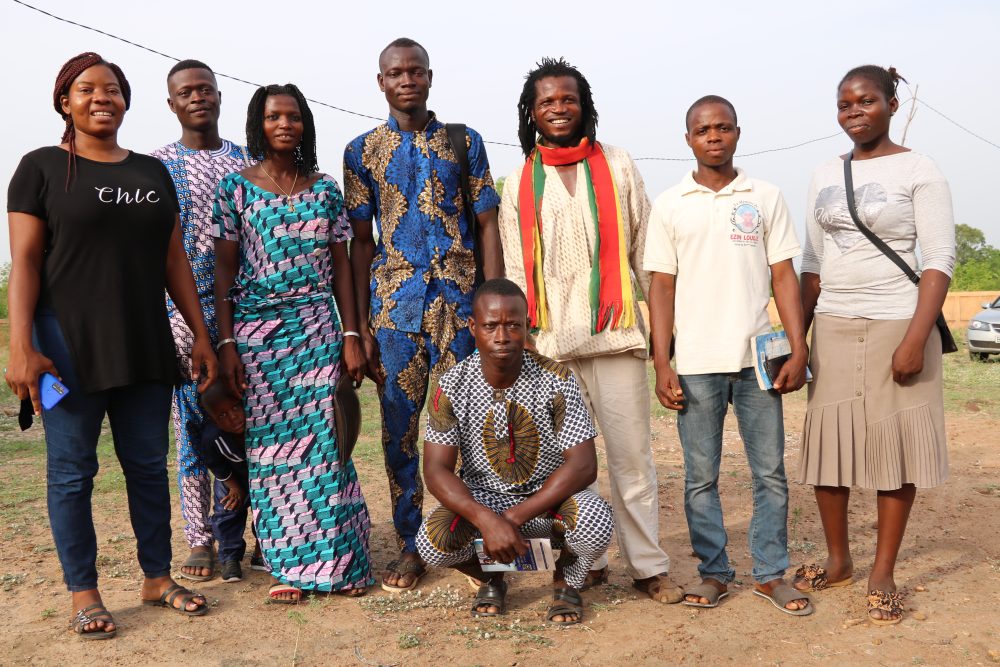
In 2017, the College of Young Farmers of Benin (CJA-Benin) was created to promote the development of agriculture among young people and enable them to unite to better face the realities of the agricultural world.
Seven years later, with the support of volunteers from the Agro-Innov Network, CJA-Benin is now recognized as an autonomous and representative entity within the peasant movement.
Three distinct mandates have been instrumental in this transformation:
- A mandate to assist in the development of a strategic plan and framework agreement with the National Platform of Peasant Organizations and Agricultural Producers of Benin (PNOPPA).
- A mandate to support the design of a structuring communication plan, a key tool for strengthening the College's visibility and bringing its demands to the attention of partners.
- Two mandates carried out in collaboration with the Fédération de la relève agricole du Québec (FRAQ) provided targeted technical support in vegetable growing, biosecurity, and sustainable production, while facilitating exchanges between young people in Quebec and Benin.
Voluntary cooperation has played a major role in empowering the CJA-Benin, which has become an organization capable of mobilizing resources, defending the rights of young people, and proposing innovative solutions!
“Today, the College is consulted at the highest level and can sign its own agreements,” says Duince, its president.
Young People: Agents of Change in Ngouye!

In the Diourbel region, the climate advisory club supported by the Regional Union of Farmers' Associations of Diourbel (URAPD) has focused on young people: 90% of the club's members are under 40!
Set up as part of the Kéew project (an initiative of the Food Security and Agriculture: Accelerated Adaptation (SAGA 2) project), climate advisory clubs are formed within professional agricultural organizations with the aim of providing their members with support in agroecology and soil health.
URAPD chose the dynamic group in the village of Ngouye, made up mainly of women and young people, for its credibility and high level of participation in the Union's activities.
The young people are already hard at work! They have applied what they have learned from training courses on composting, optimizing organic matter, and erosion control on their family farms. The club is working to disseminate this new knowledge to all family farms in the village and beyond.
For URAPD, the development of Senegal necessarily involves young people. The organization also hosts a Youth College and a Women's College, also encourages their involvement in community life.
The HTNM Youth Camp
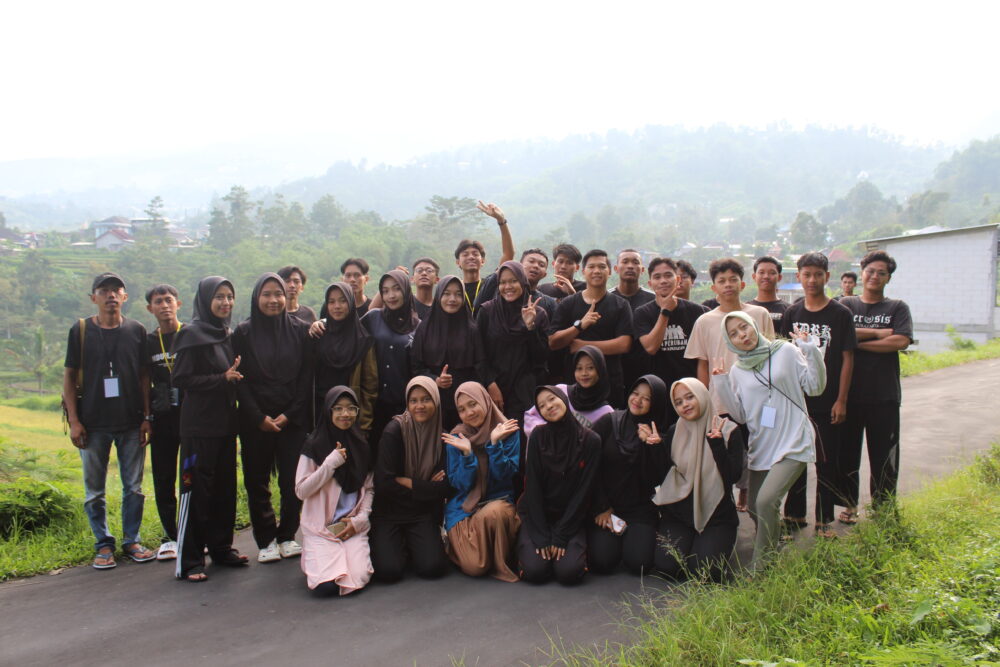
To facilitate the integration of young people into agriculture and ensure its organizational succession, the Indonesian agricultural cooperative Himpunan Tani Ngudi Makmur (HTNM) has set up a leadership training camp for its young members.
In December 2024, 20 young women farmers and 25 young men farmers gathered for a stay in the Karangpandan region. The immersive atmosphere of the camp was conducive to in-depth discussions on leadership and the various challenges specific to young people in agriculture.
Field visits also allowed participants to engage in concrete exchanges with local farmers.
At the end of the stay, it was possible to develop an action plan to further strengthen the involvement of young people in the agricultural sector and within HTNM.
In addition to the youth camp, the cooperative organizes training sessions for young people and consultation sessions to ensure that their needs are taken into account.
“As a young leader, I feel that I am really part of the organization. My colleagues listen to my suggestions and I have been given responsibilities within the cooperative.” - Muhammad Bayu Wijayanto, 29