Benin
Since our initial exchanges with Beninese agricultural organisations in 1998, several projects have emerged, allowing us to continue promoting family farming in the country.

Femmes-Hwé-Nou



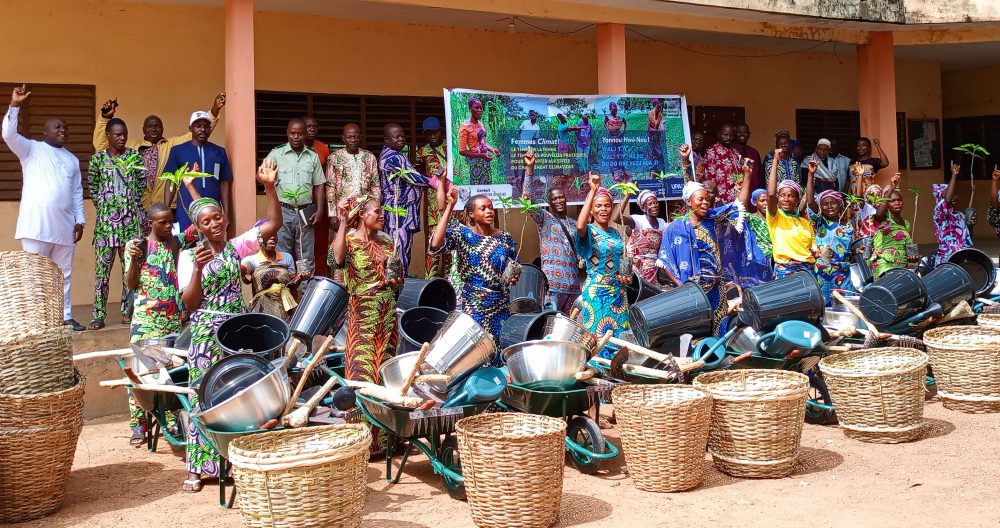
Since 2023, the Femmes-Hwé-Nou project aims to improve the capacity of women farmers and young people entering the agricultural sector in Benin to adapt to climate change.
To achieve this, climate advisory clubs have been established within three professional agricultural organisations: Union communale des producteurs (UCP) (Communal Producers' Union) in Djidja, the Réseau coopératif des organisations professionnelles de manioc et de maïs (RC-OPMM) (Cooperative Network of Professional Cassava and Maize Organisations) in Adja-Ouèrè, and the Union des groupements coopératifs des agriculteurs Mowossokpo (UGAM) (Union of Mowossokpo Farmers' Cooperative Groups) in Savalou.
These clubs provide training and support on integrating soil health practices with the help of technicians, farmer-trainers, and Tobi Moriaque Akplo, a researcher at the Faculty of Agricultural Sciences from the University of Abomey-Calavi.
Women farmers and young people test these practices in their own fields using the collaborative living laboratories approach, guided by their individual climate plans —action plans co-developed to reflect their specific objectives.
The adoption of good agroecological practices is expected to have multiple benefits for women farmers, young farmers, and professional agricultural organisations:
- Strengthen their resilience to climate change and reduce the ecological impact of their agricultural activities.
- Diversify their production and expand their income sources.
- Enhance the capacity of agricultural organisations to provide agroecological advisory services through climate advisory clubs.
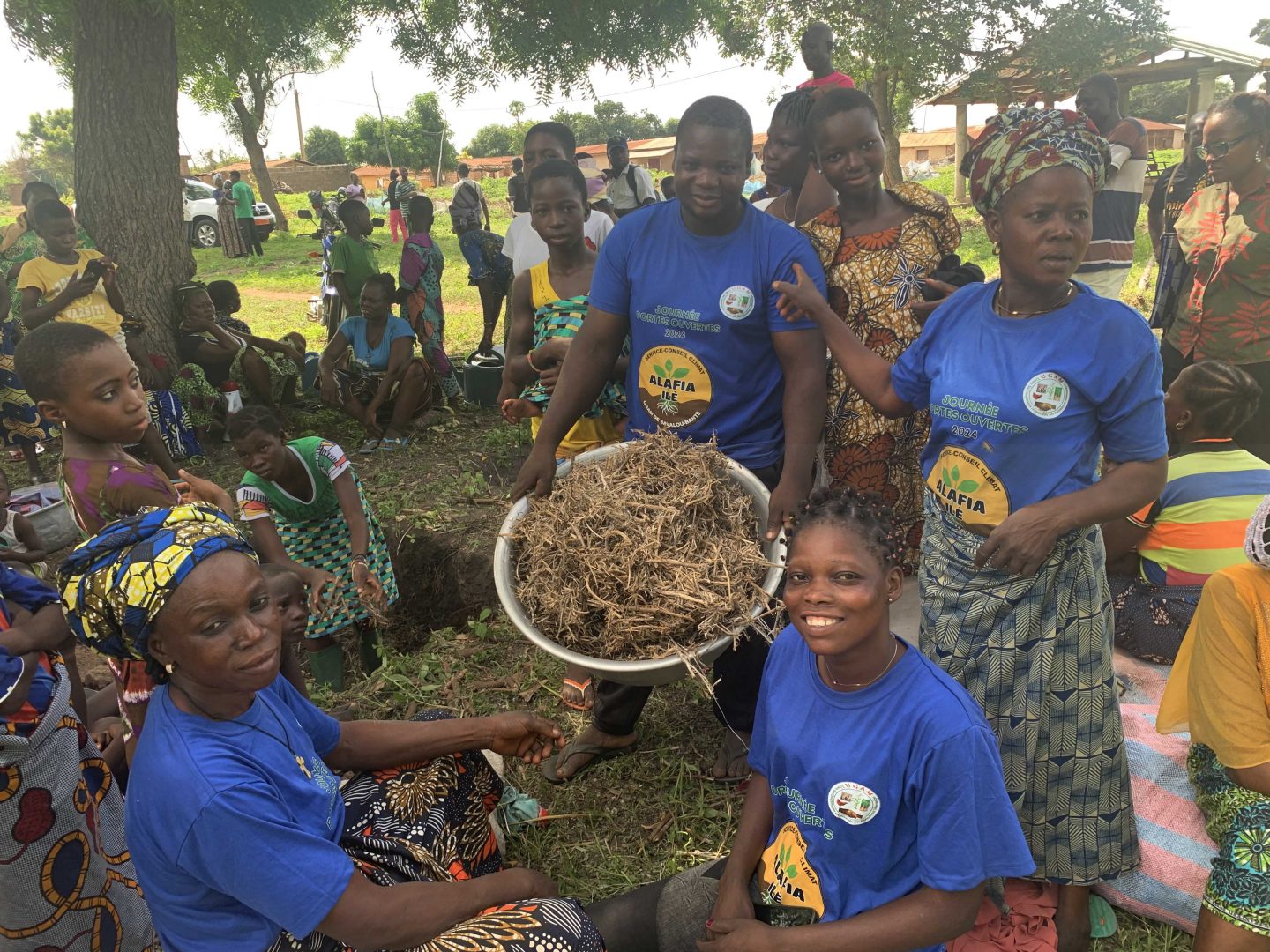
This year, the training offered as part of the project has shown inspiring results! 120 compost sites were established following training on composting, and several women farmers have begun to cultivate soybeans after receiving training on sustainable and climate-resilient production of this legume.
In the fall of 2024, 395 people participated in open house events showcasing the agroecological initiatives of women farmers and young people. These activities provided valuable visibility for soil health practices and the work of the climate advisory clubs.
We look forward to seeing what the women farmers and young famers will accomplish in the coming year.
Femmes-Hwé-Nou is made possible thanks to financial support from the Quebec government through the International Climate Cooperation Program (PCCI), which stems from the Plan for a Green Economy 2030.
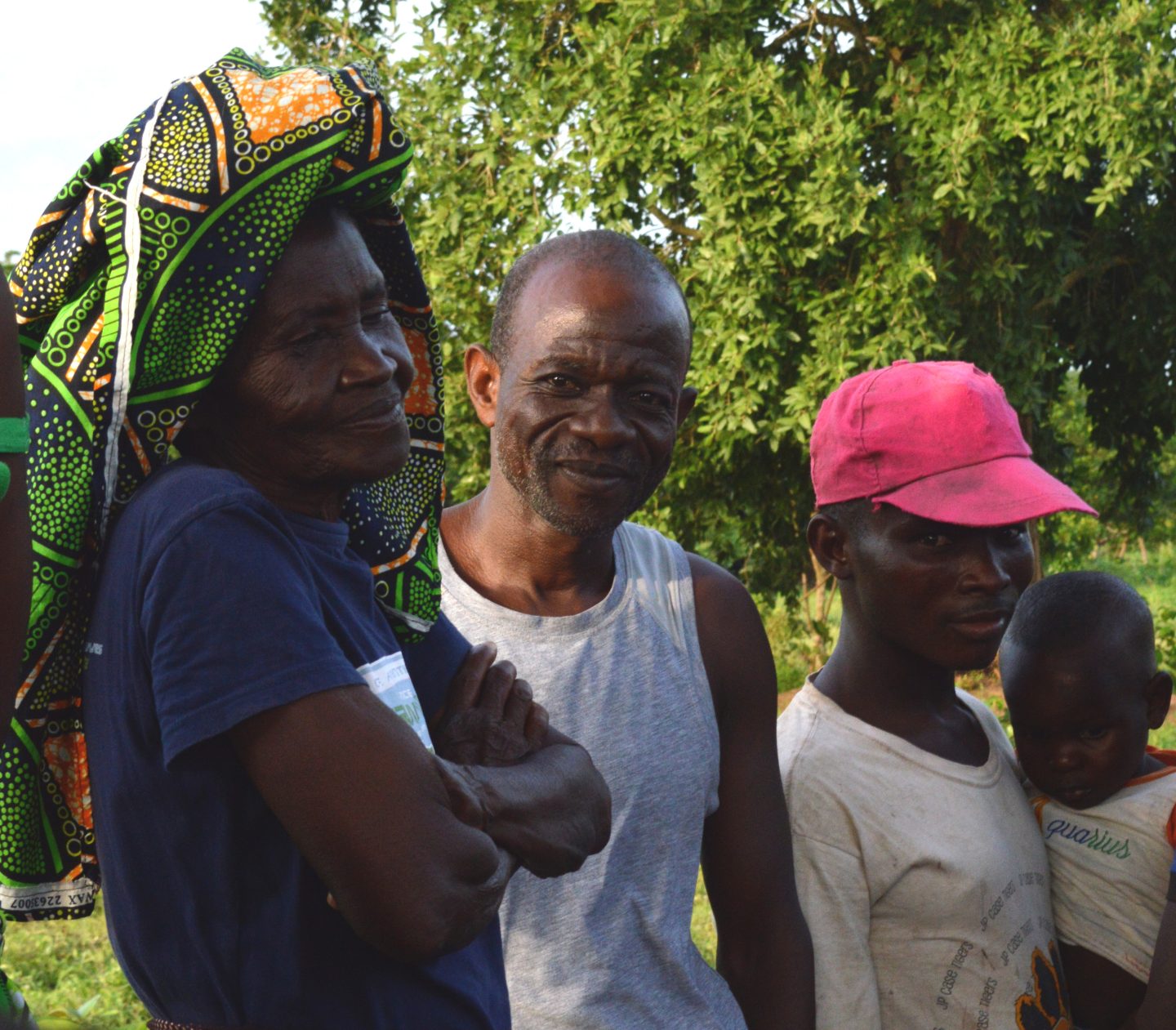
Positive Masculinity and Gender Equality
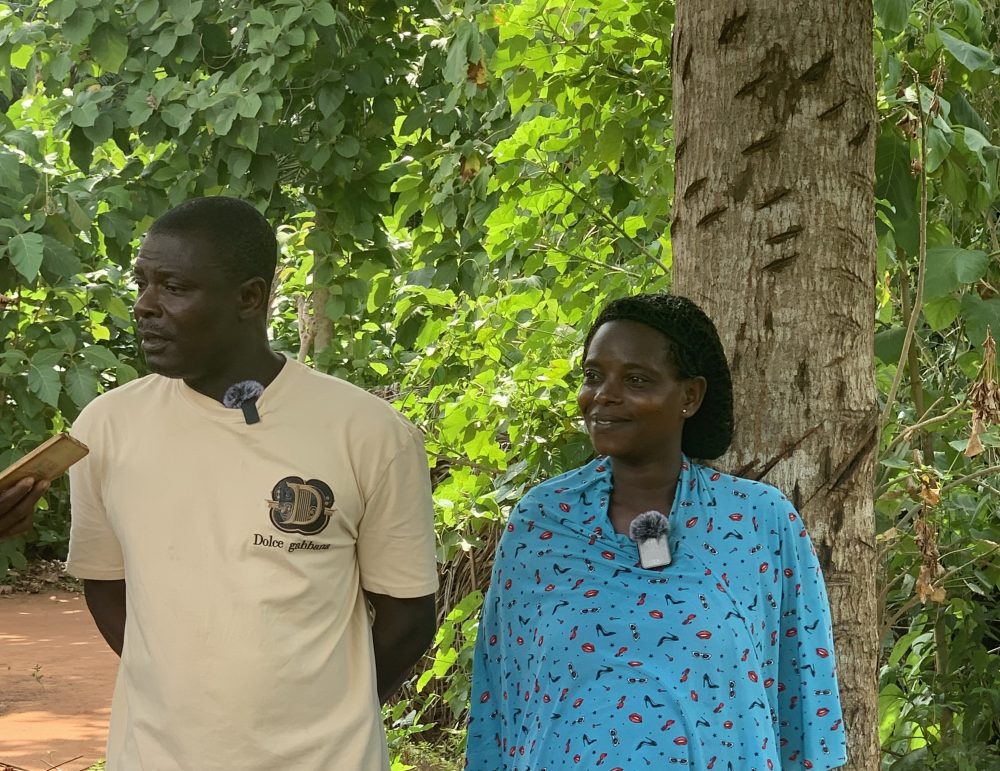
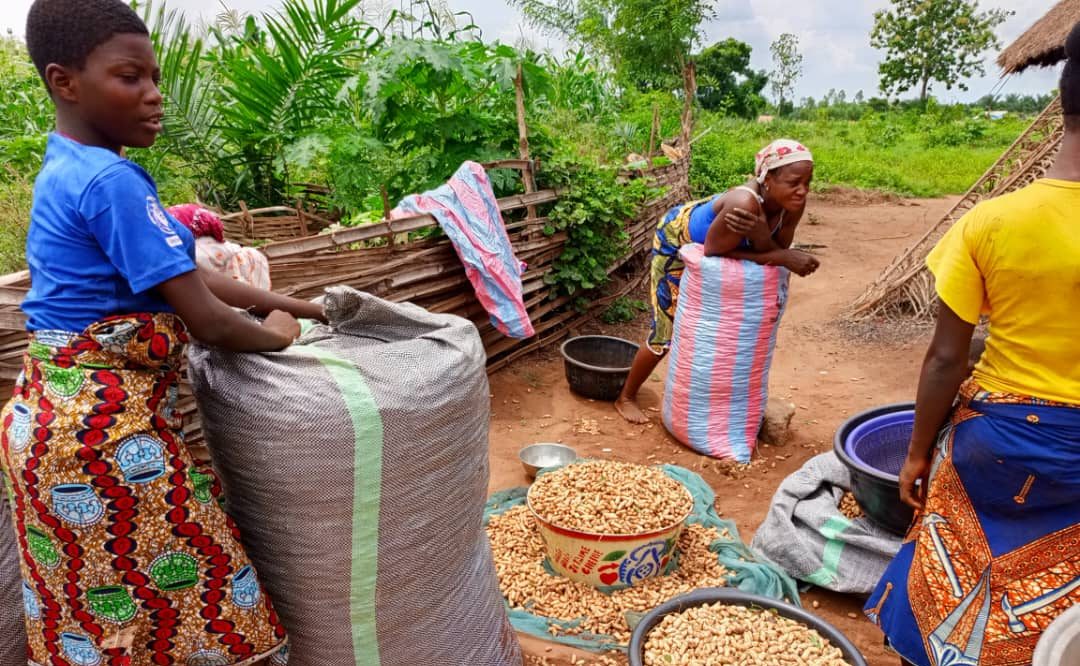
In rural and agricultural communities, women and men are not always on an equal footing, particularly when it comes to land ownership and the division of labour.
To help build a more inclusive agricultural world, the Plateforme nationale des organisations de producteurs agricoles du Bénin (PNOPPA) (National Platform of Peasant Organizations and Agricultural Producers of Benin) has chosen to strengthen its capacity in gender equality and positive masculinity.
Isabella, PNOPPA's gender equality specialist, developed training modules based using a competency-based approach with the support of Marie-Rosalie, a gender equality expert from the Agro-Innov Network.
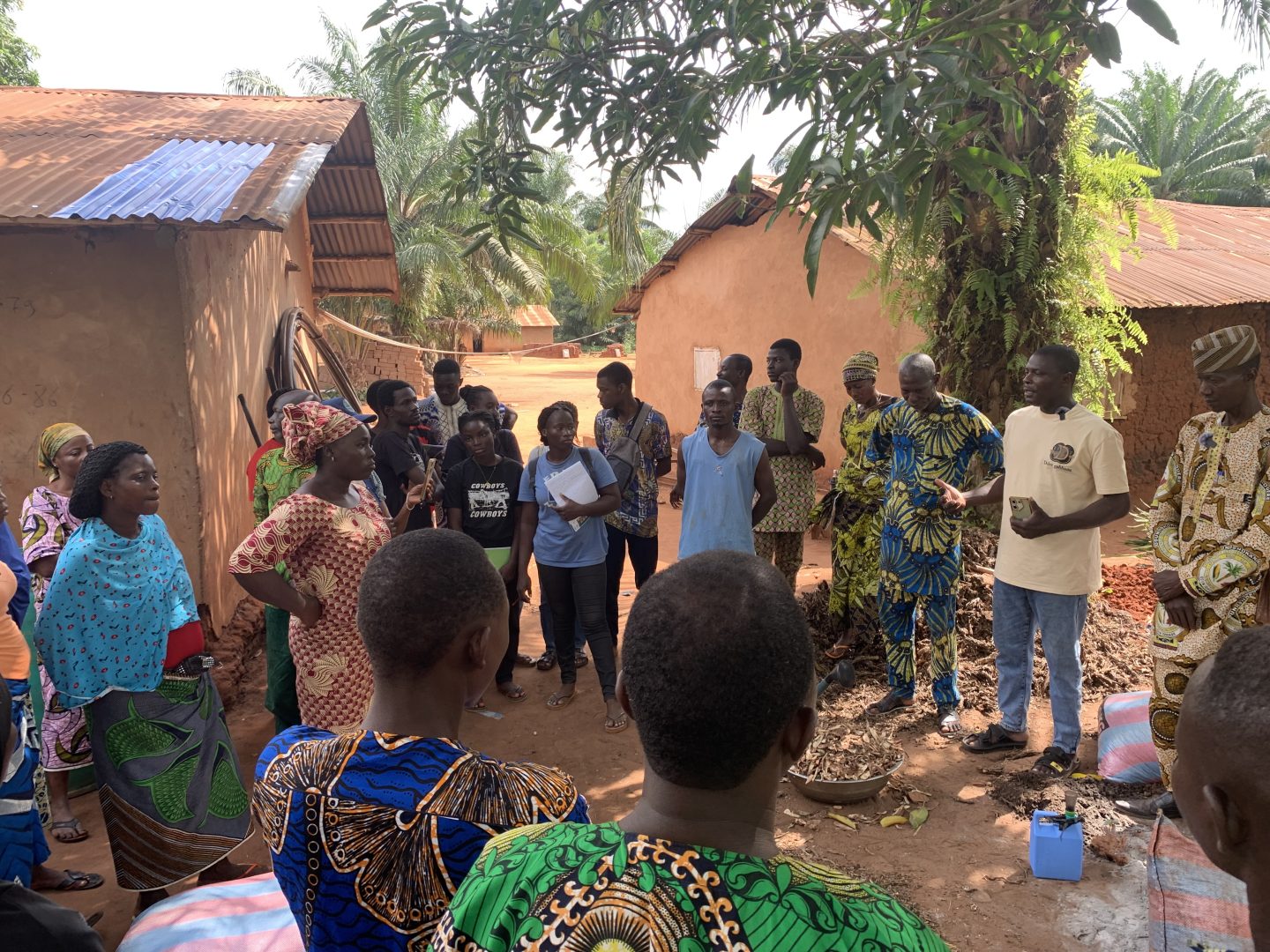
Their collaboration led to the mobilization and training of 90 individuals across three professional agricultural organisations. It also resulted in the creation of women’s discussion groups and awareness-raising activities with men in several villages.
Climate Plans for Women and the Next Generation of Farmers
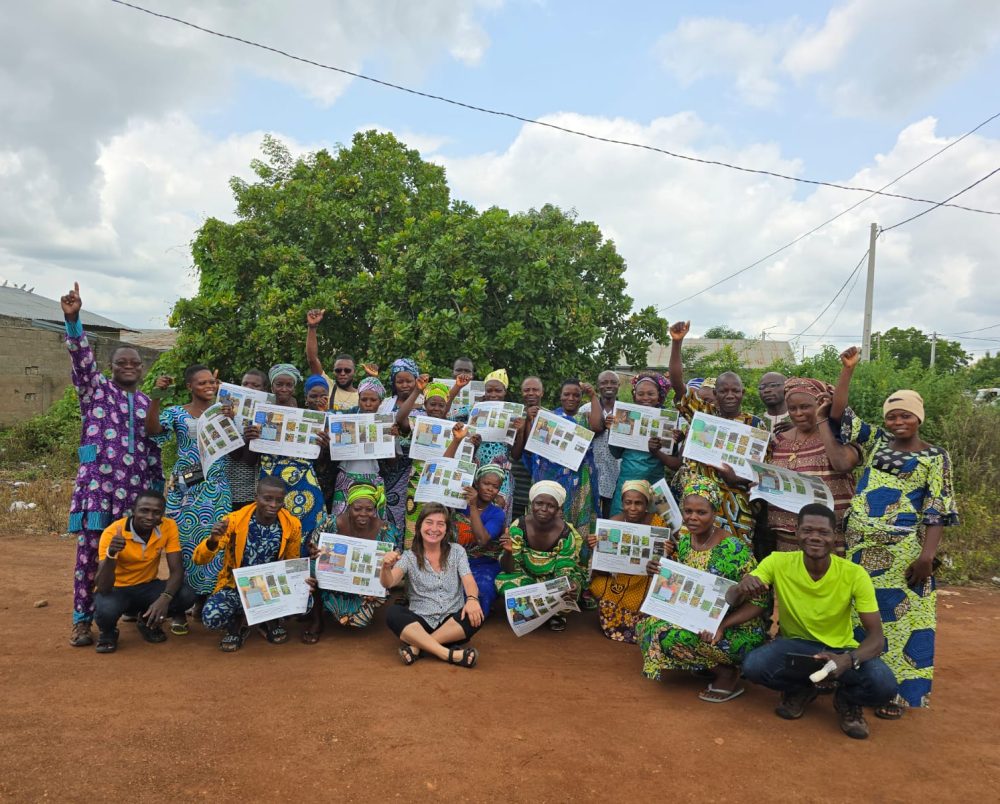
The collaborative development of individual climate plans as part of the Femmes-Hwé-Nou project was a success!
The exercise enabled 60 participants to create their own climate change adaptation plans by identifying soil health practices tailored to their specific goals and the realities of their farms.
To support this process, participants received guidance from Marie-Josée, a volunteer environmental expert from the Agro-Innov Network, along with technical teams from their professional agricultural organisations.
Beyond the planning process, these climate plans instilled a strong sense of pride among the farmers and led to tangible changes.
Prior to the workshops, the technical teams had received support from Marie-Josée to help them adapt their facilitation approaches to a younger, predominantly female audience with diverse literacy levels.