Bolivia
Since 2015, UPA Développement international has supported Bolivian organisations through its Agro-Innov Network volunteer cooperation program. Activities in the country have grown significantly since 2020.
SEPOP 2



Market Access Improvement Project
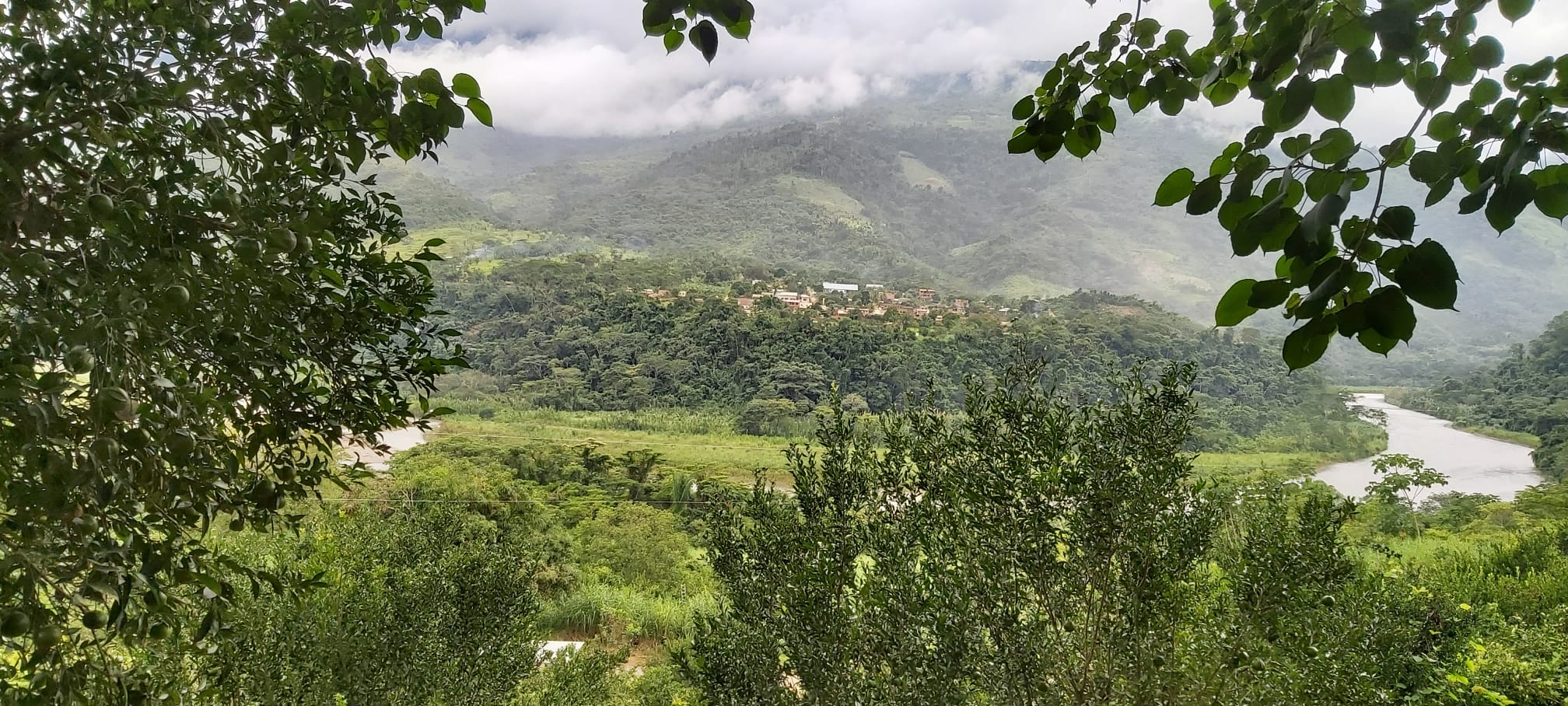
The second phase of the Project to improve market access, SEPOP 2, ended in March 2025 after over three years of implementation.
Following up from the first phase of SEPOP (2021 to 2023), this project aimed to promote the sustainable development of Bolivia’s agricultural sector by strengthening the technical, financial, and commercial capacities of family farms.
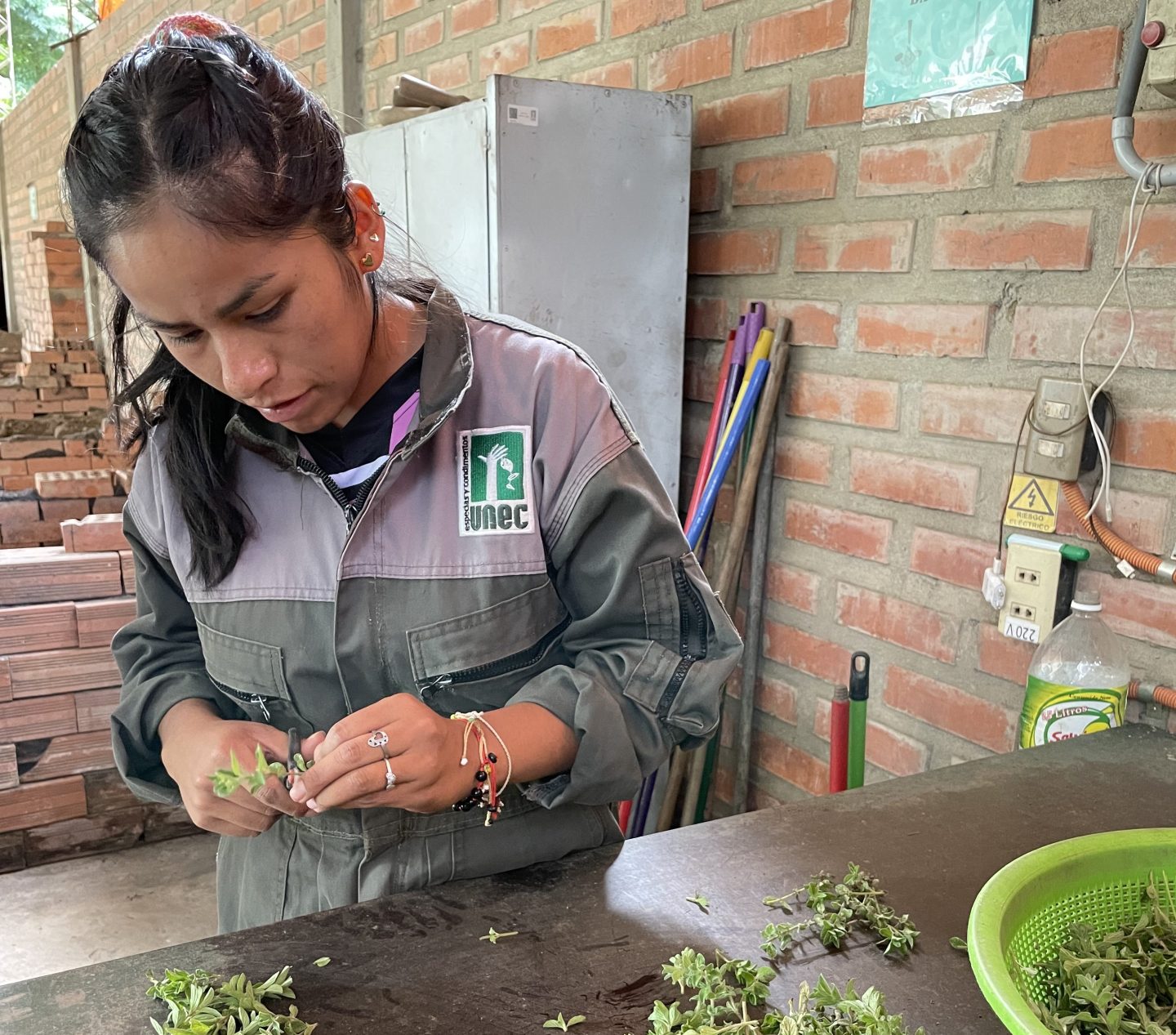
The results have been very encouraging! By the end of the project, 1,355 women farmers—working in oregano, coffee, honey, citrus fruits, and spices—had enhanced their capacities through improved access to services offered by their professional agricultural organisations.
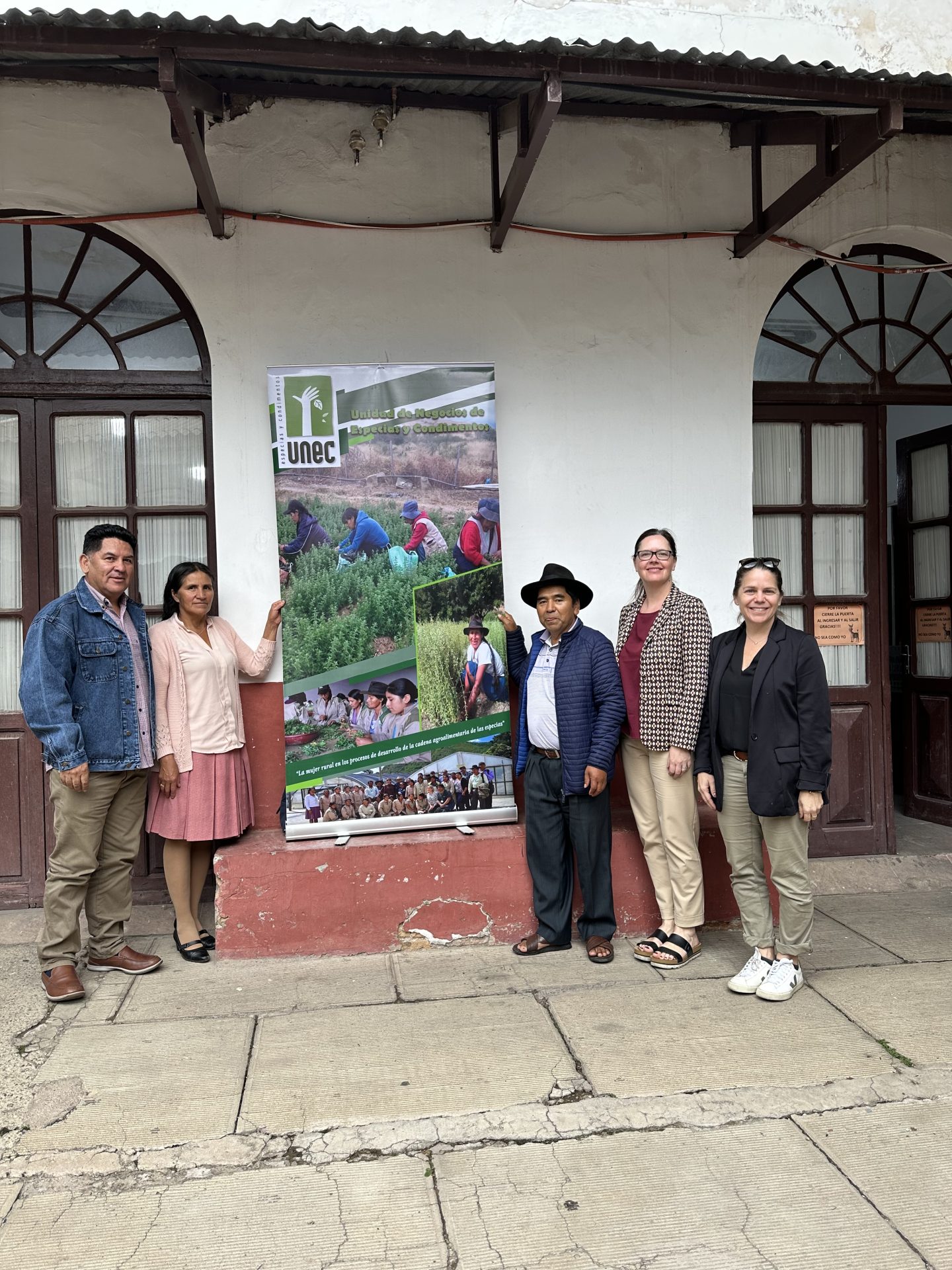
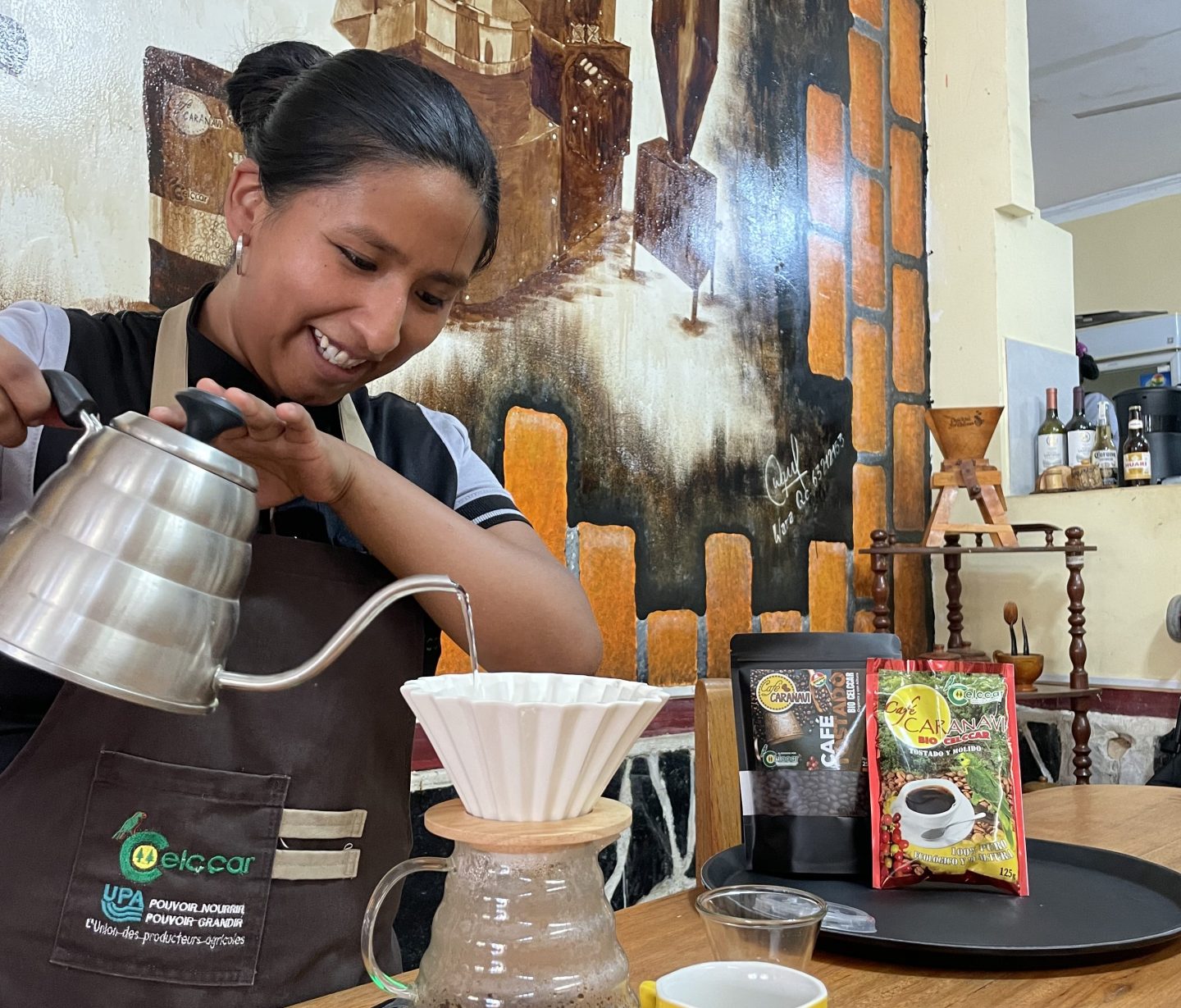
The two partner organizations, the Central Local de Cooperativas Agropecuarias Caranavi Ltda (CELCCAR) and the Unidad de Negocios de Especias y Condimentos (UNEC), improved several services for their members, including:
- Quality control, marketing, and storage processes.
- Training in entrepreneurship, integrated pest and disease management, water management, soil health, and sustainable agroforestry.
- Technical assistance to farmers.
- Soil analysis.
- Manufacture of organic inputs (fertilizers and biopesticides).
- Support in obtaining organic certification.
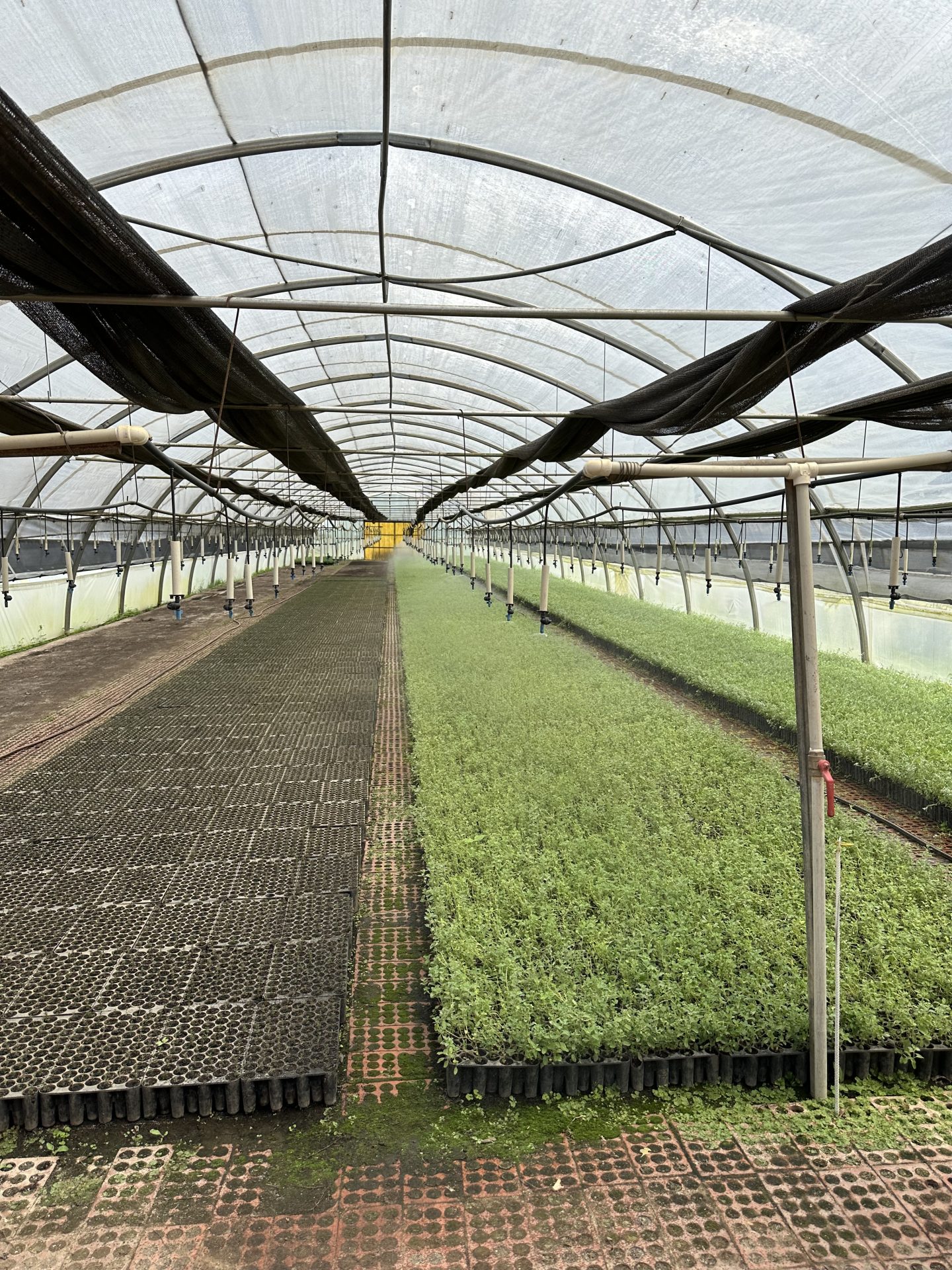
In addition to these improvements, the organisations chose to tackle a key concern: access to quality agricultural inputs. Composting and organic input production sites were set up, and members were able to participate in manufacturing and distribution workshops.
It was a true pleasure to collaborate with such dedicated farmers. We wish them continued success in the future!
SEPOP 2 in Bolivia was made possible thanks to financial support from the Agence française de Développement via AgriCord and the Agro-Innov Network of UPA Développement International, supported by Global Affairs Canada.
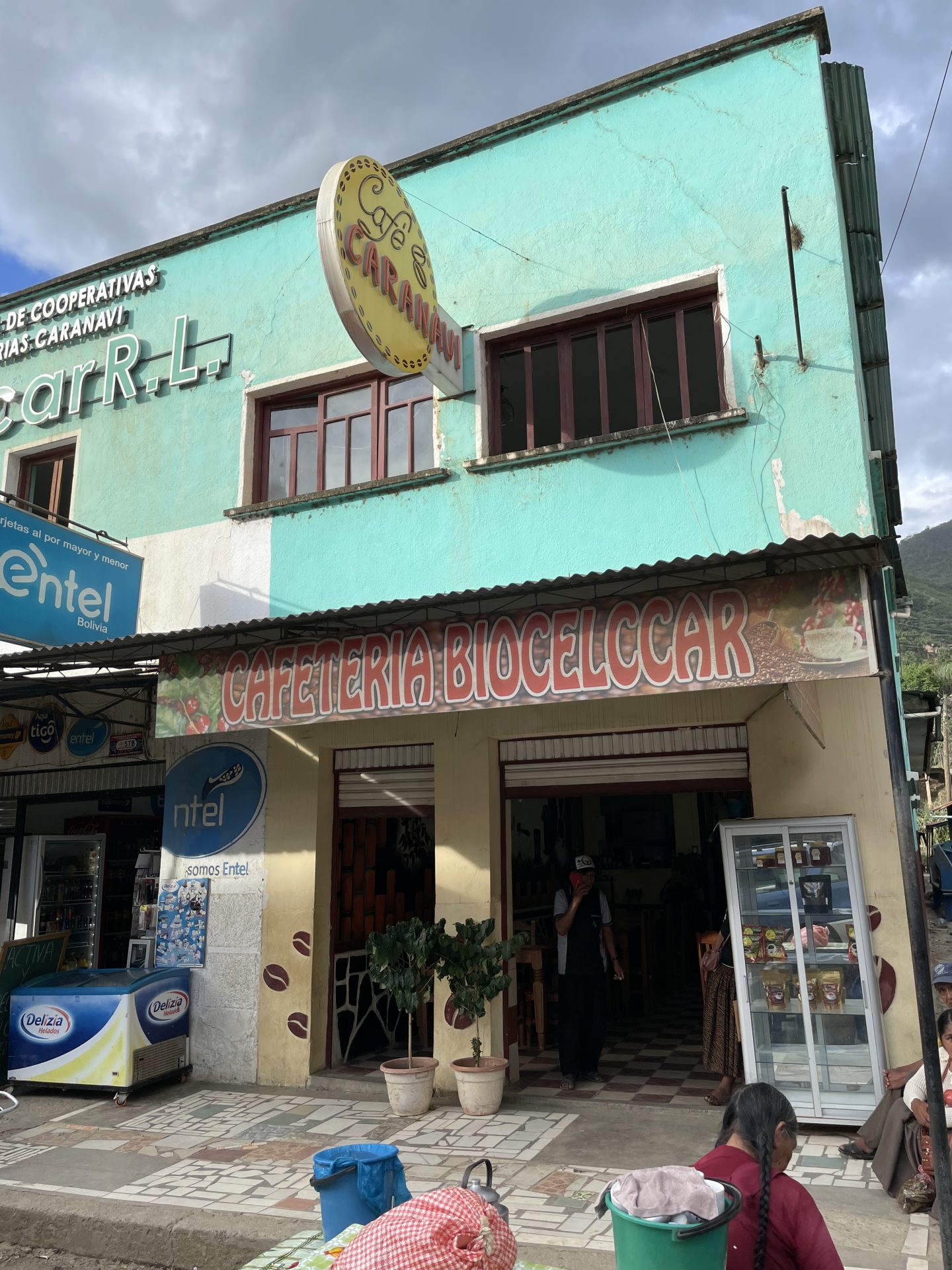
More Fertile Soils for Coffee and Citrus Cultivation
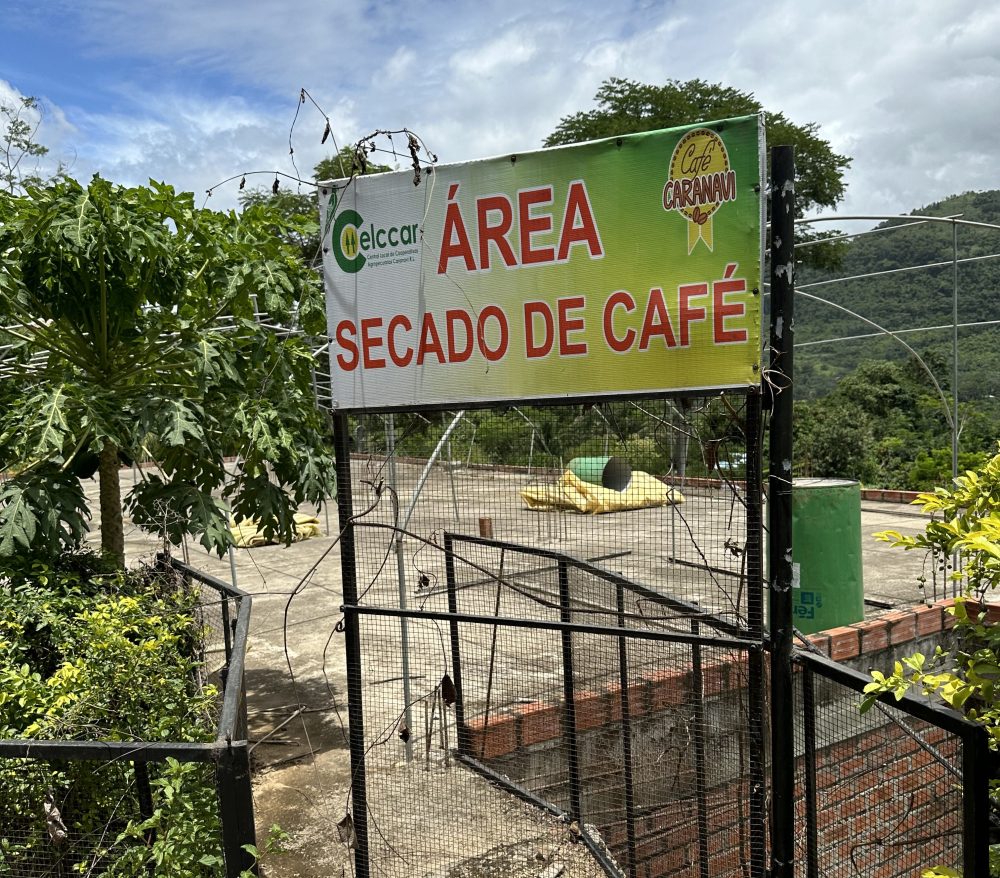
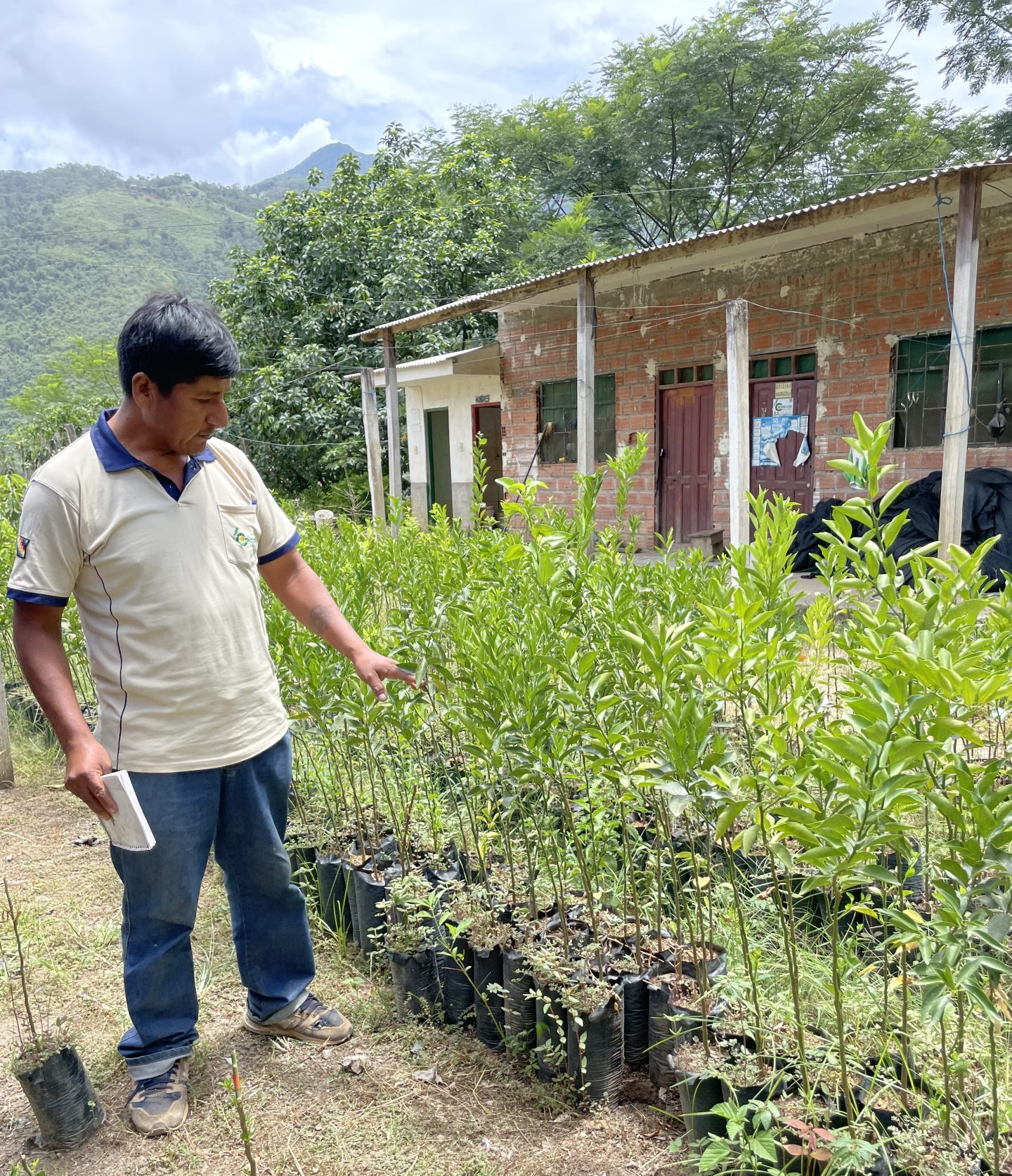
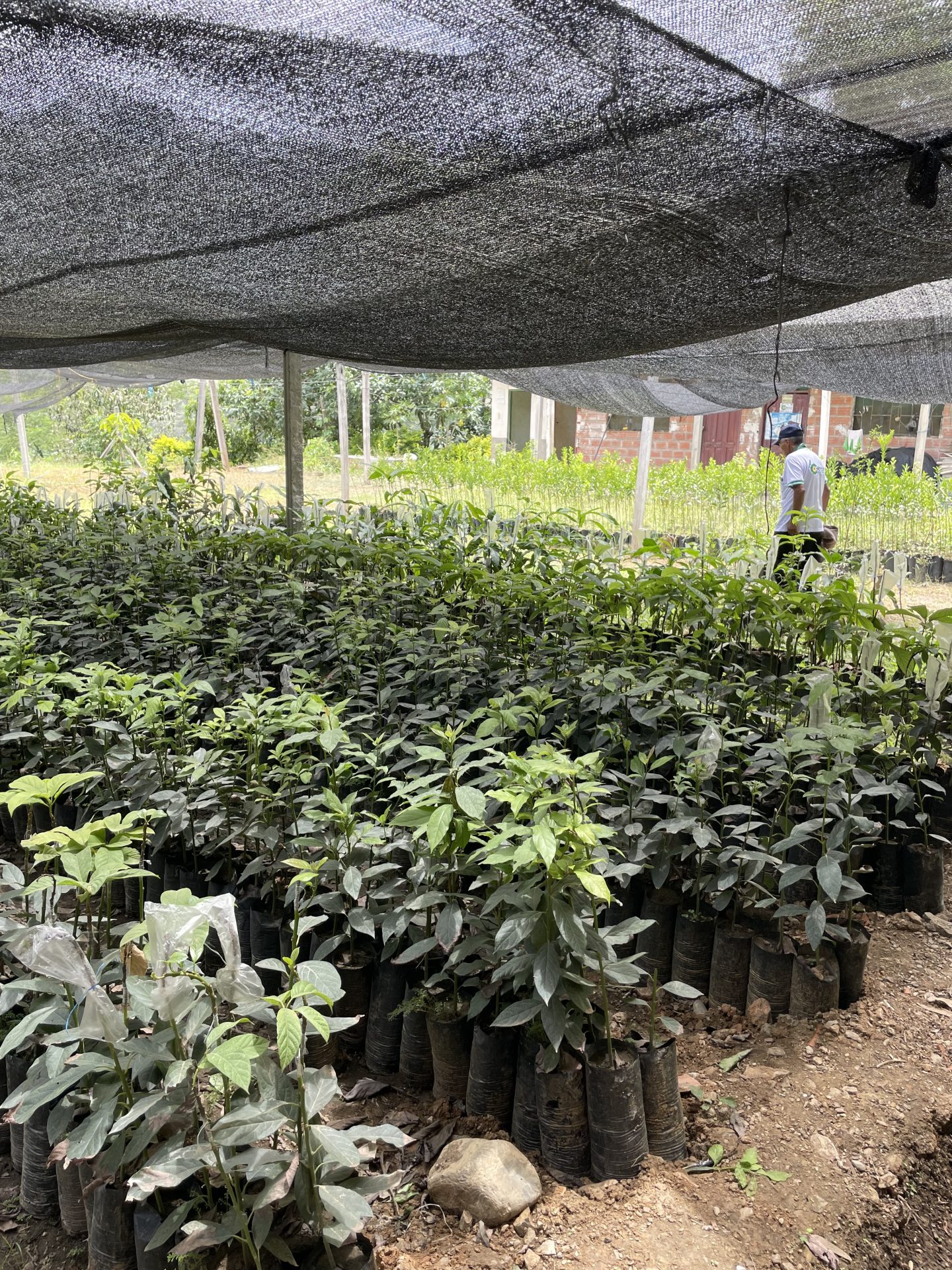
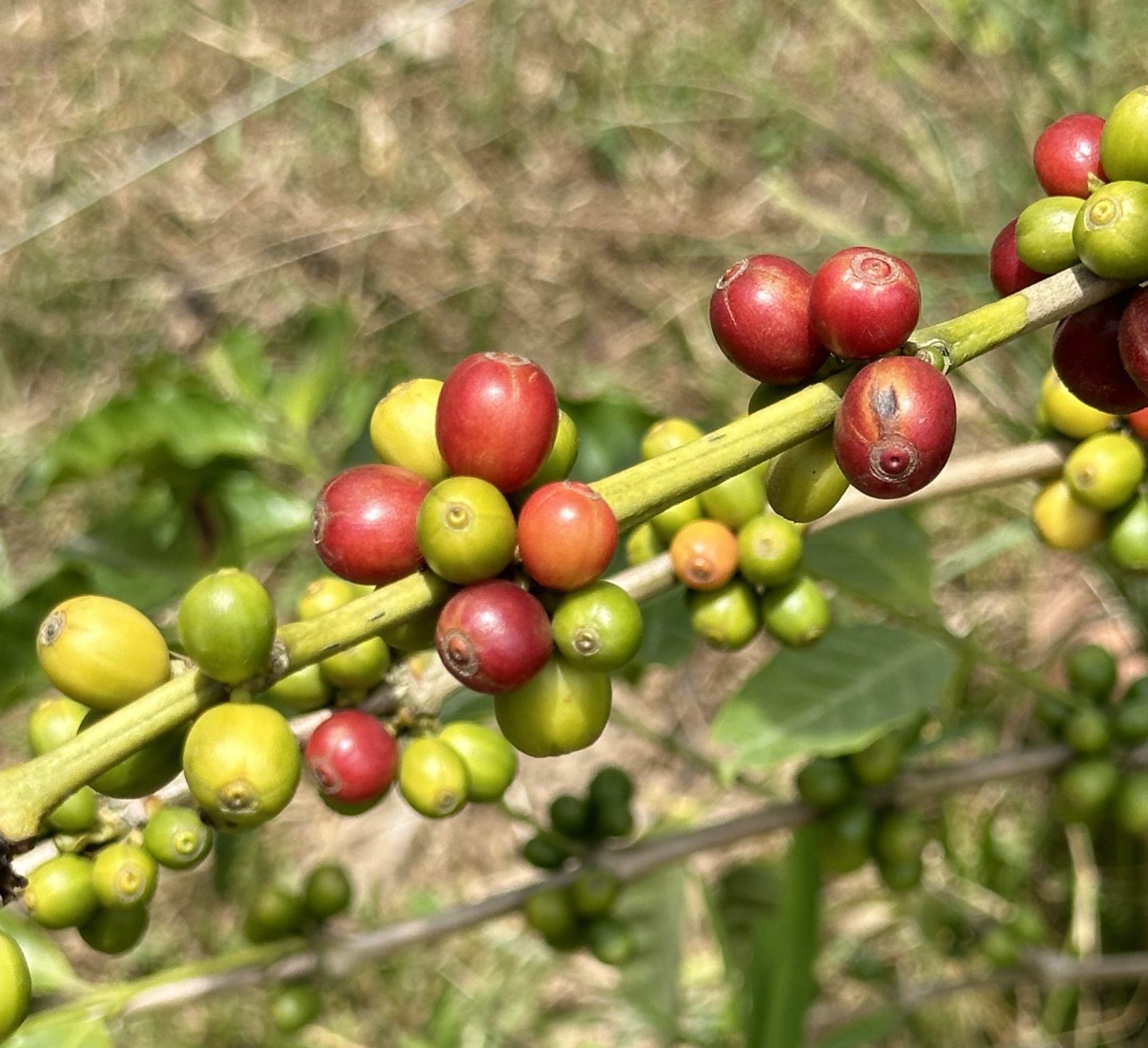
In the rural areas of Caranavi Bolivia, coffee, citrus, and honey farmers are facing depleted soils and increasingly frequent droughts.
To strengthen the climate resilience of its member agricultural cooperatives, the Central Local de Cooperativas Agropecuarias Caranavi Ltda (CELCCAR) has made soil health and sustainable fertilisation a top priority.
Frédérick, a volunteer agronomist from the Agro-Innov Network, supported members from seven cooperatives in analyzing their soils and adopting appropriate climate-resilient practices.
Thanks to his support, 107 individuals have been trained, tools for monitoring results and fertilization have been put in place, and collective projects have emerged, including a compost and poultry farming project led by CELCCAR's women's committee.
Community Kitchens
A New Network of Community Kitchens
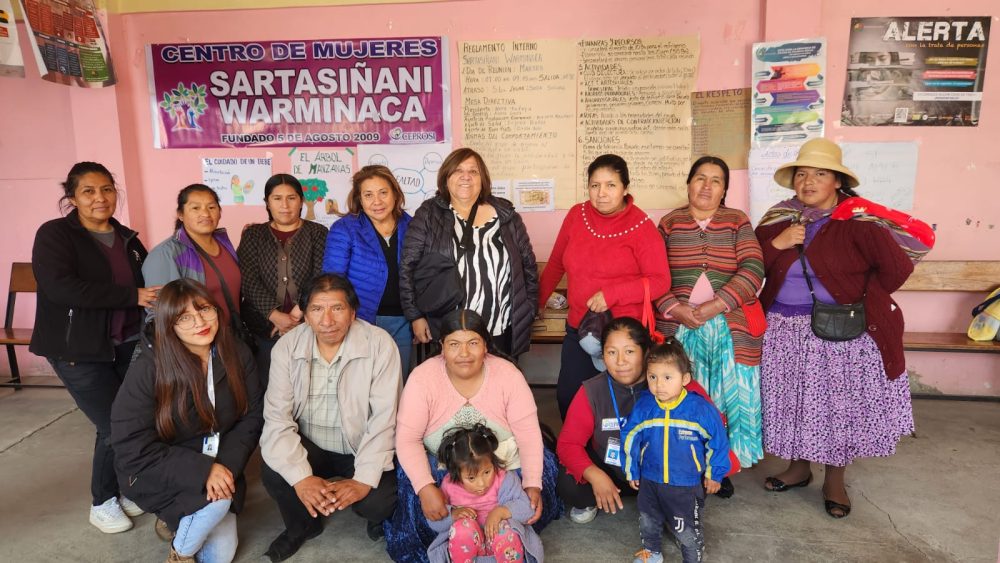
Did you know that UPA Développement international supported the launch of a network of community kitchens in La Paz Bolivia?
Six community kitchens have been set up through collaboration between the Centro de Promoción y Salud Integral (CEPROSI), an organisation working to improve women's health, the Montreal-based Cuisine et vie collectives Saint-Roch, and volunteers from the Agro-Innov Network.
The benefits of these kitchens for participating women are numerous:
- They help reduce household expenses and improve health through better nutrition.
- The food processing activities developed within the kitchens strengthen entrepreneurial skills and promote socio-economic independence.
- They create a strong support network, offering welcoming spaces for sharing information, advice, training, and, above all, opportunities to build better lives.
Over the past year, two new community kitchens were inaugurated, including one led by a group of indigenous women in the El Alto area. A total of 127 women, including 95 young women, have benefited from the community kitchen network. Community gardens are also being developed near the kitchens.
A great success for Canadian-Bolivian cooperation!
Watch the video of the collective kitchen inauguration event