Haiti
UPA DI has been working continuously in Haiti since 2009, in solidarity with our partners, despite the difficult context in the country.
AVETI



The AVETI chapter comes to a close
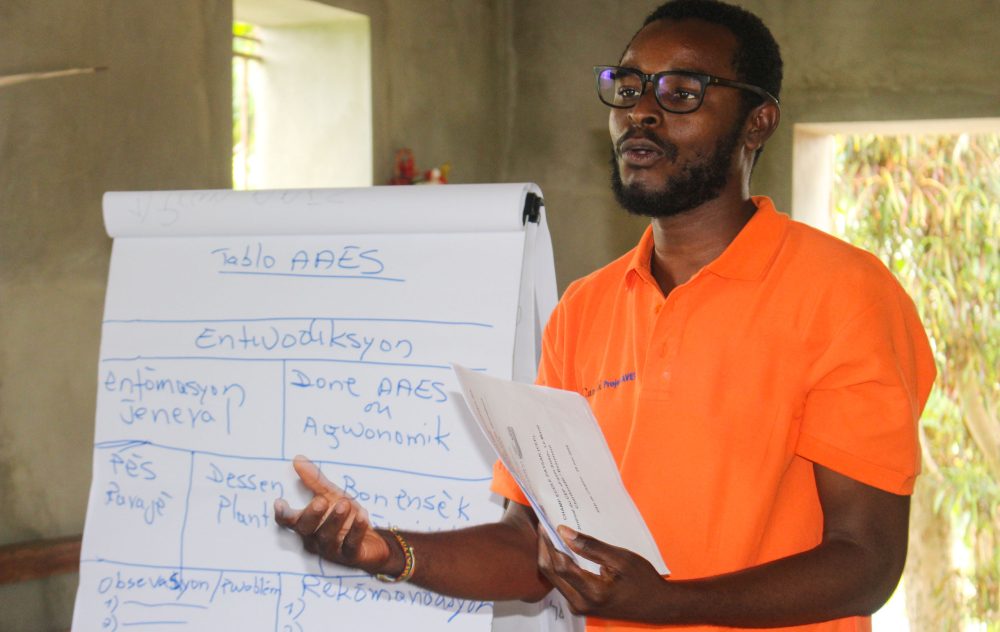
The AVETI project: Climate adaptation and economic development of agricultural sectors in Haiti ended in March 2025.
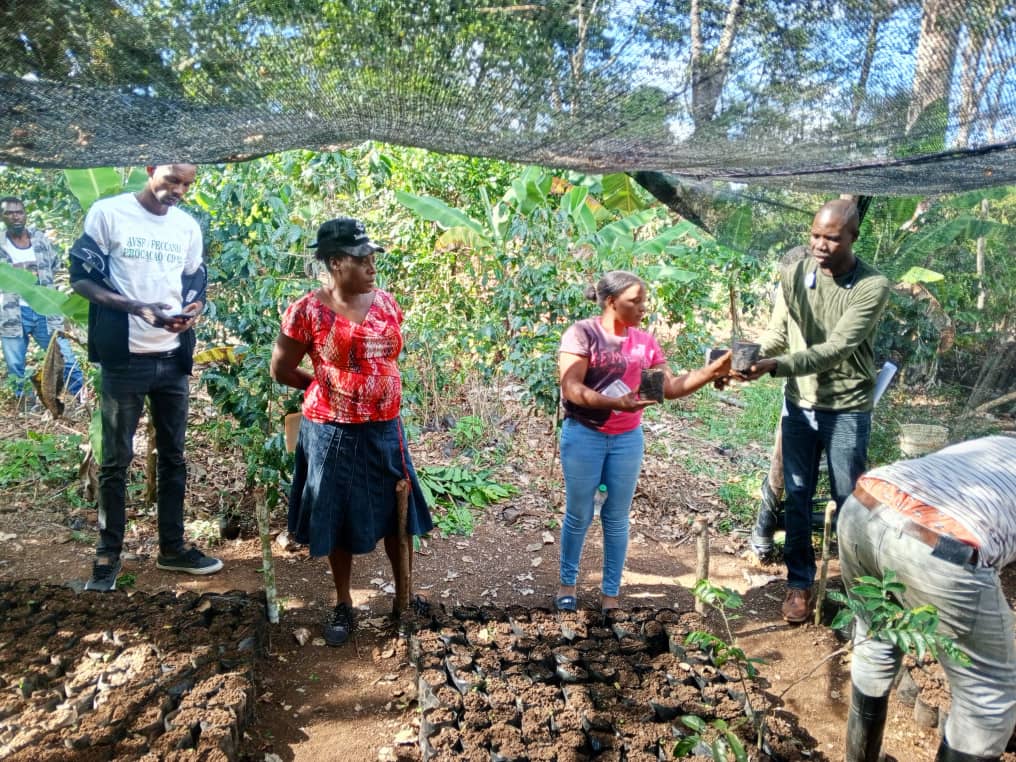
Launched in 2019, AVETI enabled more than 5,450 farmers to adopt innovative techniques and different practices to adapt to climate change and strengthen the value chains of the cocoa and yam sectors. To achieve this, no fewer than 53 farmer field schools were set up to facilitate learning and the dissemination of good agricultural practices.
After six years of implementation, the results are now visible!
Increased agricultural yields
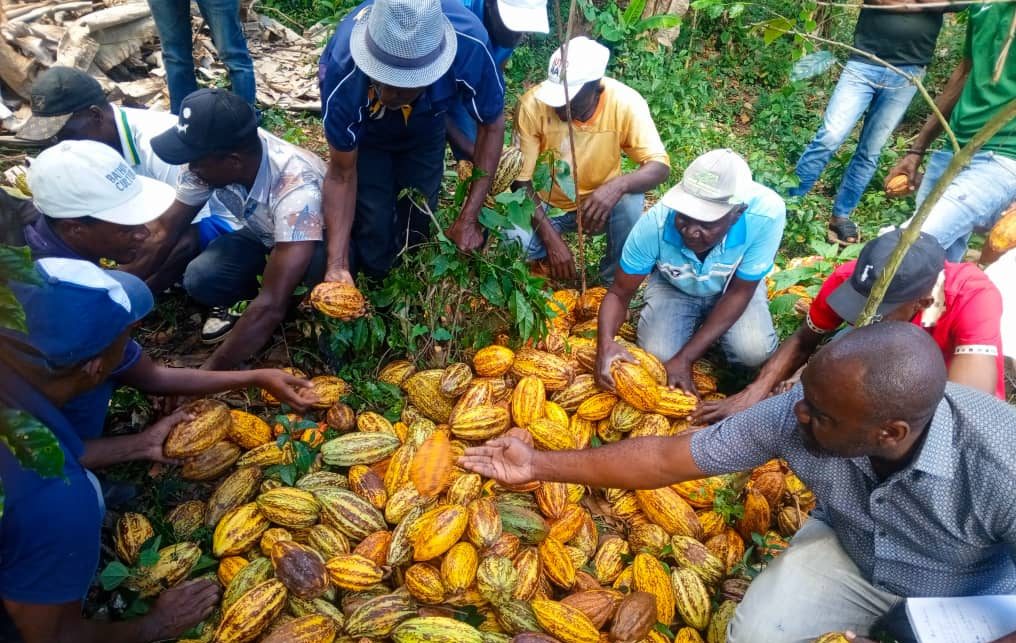
Farmers in six municipalities in the South and Grand Anse departments have improved their yields, particularly in the cocoa sector, with production 58% higher than the national average.
The project has thus contributed to improving economic well-being and reducing vulnerability by increasing the climate, economic, and socio-psychological resilience of participants.
Adapted and diversified community services
AVETI has improved the governance of partner professional agricultural organizations and developed the services they offer to their members.
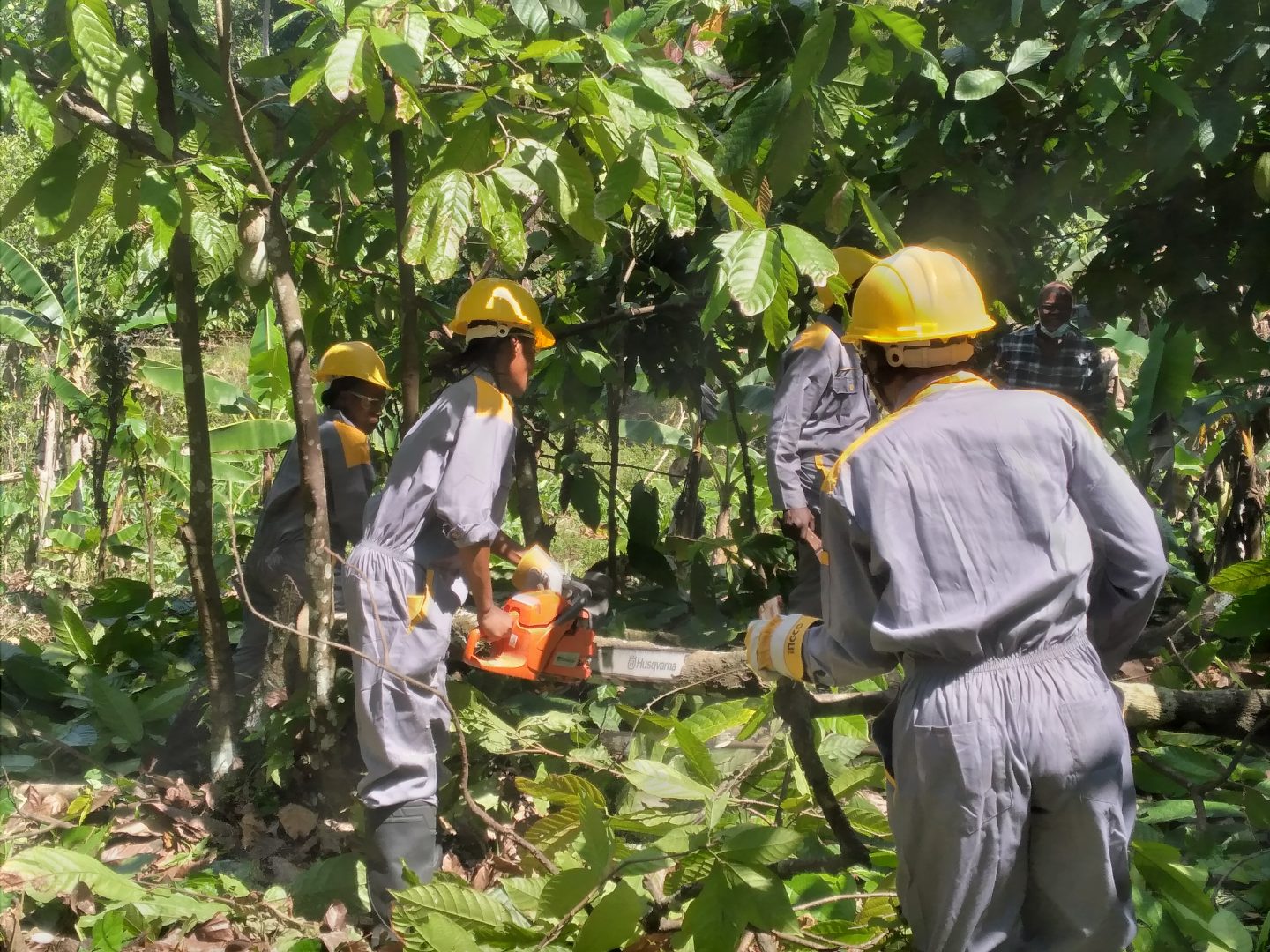
New community services include phytosanitary pruning and the establishment of nurseries for yam, fruit and forest trees. Some community-based enterprises have also developed and marketed new products such as cocoa butter and banana or breadfruit chips.
These innovations have increased the added value of agricultural value chains and generated additional income for members.
Better integration of women and young people
Partner organizations have established new environmental committees, credit committees, and gender focal points with the aim of improving the participation of women and young people in their decision-making processes. They have also established environmental action plans.
Despite the extremely difficult circumstances in which the Haitian people live, these women and men demonstrate extraordinary resilience and an unwavering determination to improve their lives. We are very proud to have been able to carry out this project alongside our sisters and brothers in Haiti, and we hope to continue supporting initiatives in the country.
The AVETI project was implemented by the International Agricultural Alliance, formed by the Société de coopération pour le développement international (SOCODEVI), the Centre d'étude et de coopération internationale (CECI), UPA Développement international (UPA DI), and Développement international Desjardins (DID). It is made possible thanks to the financial support of the Government of Canada, through Global Affairs Canada.
Circular Economy
Hope on the Menu
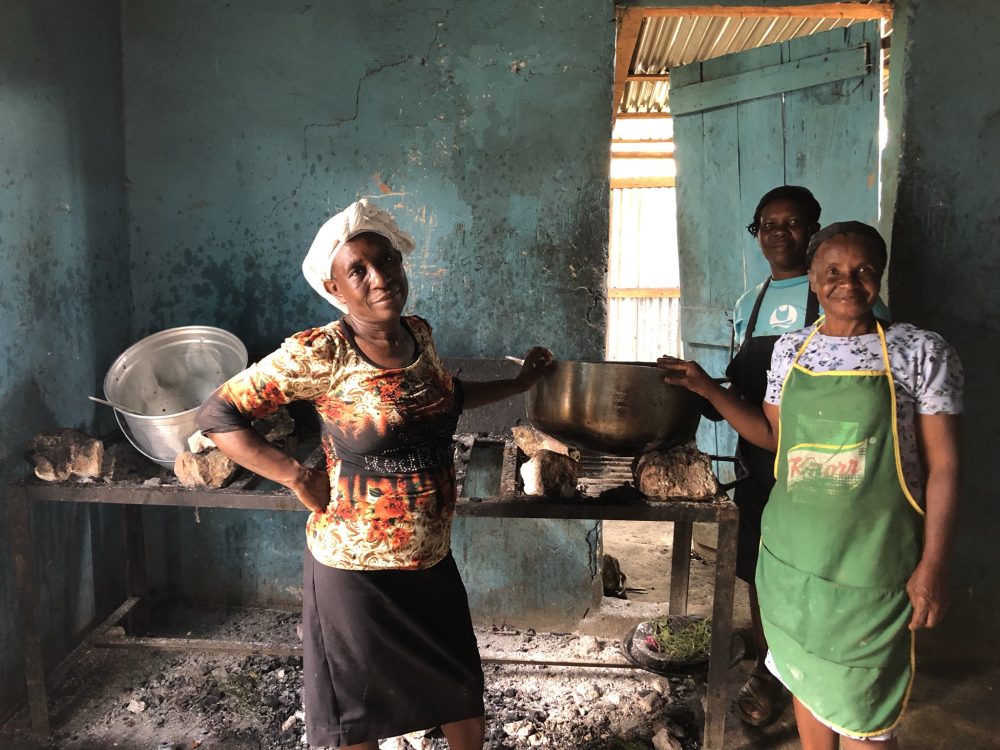
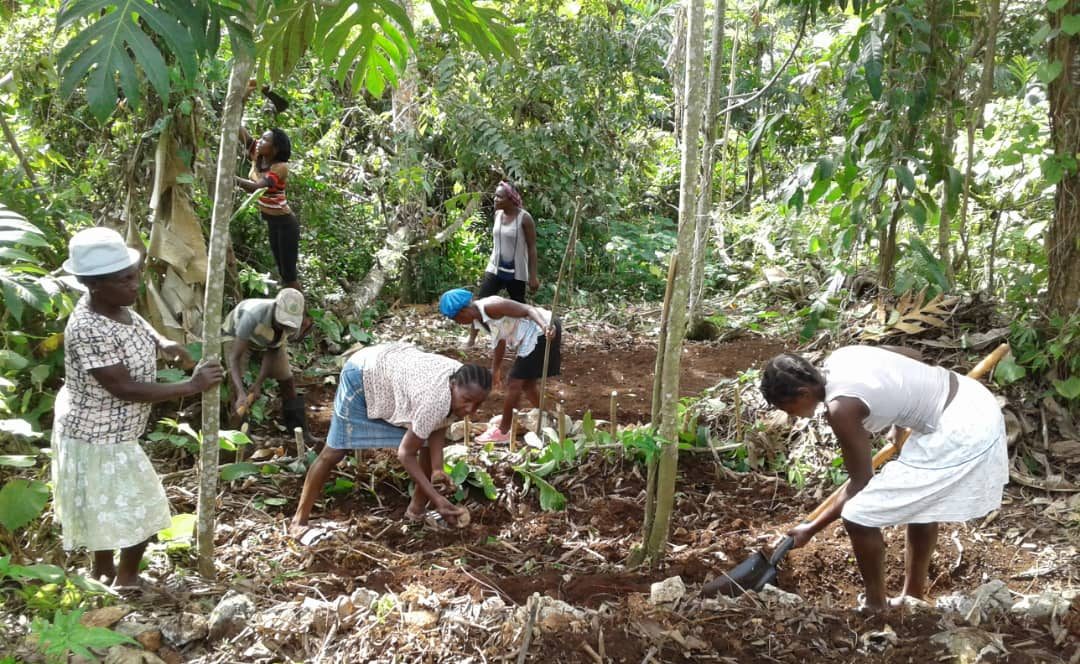
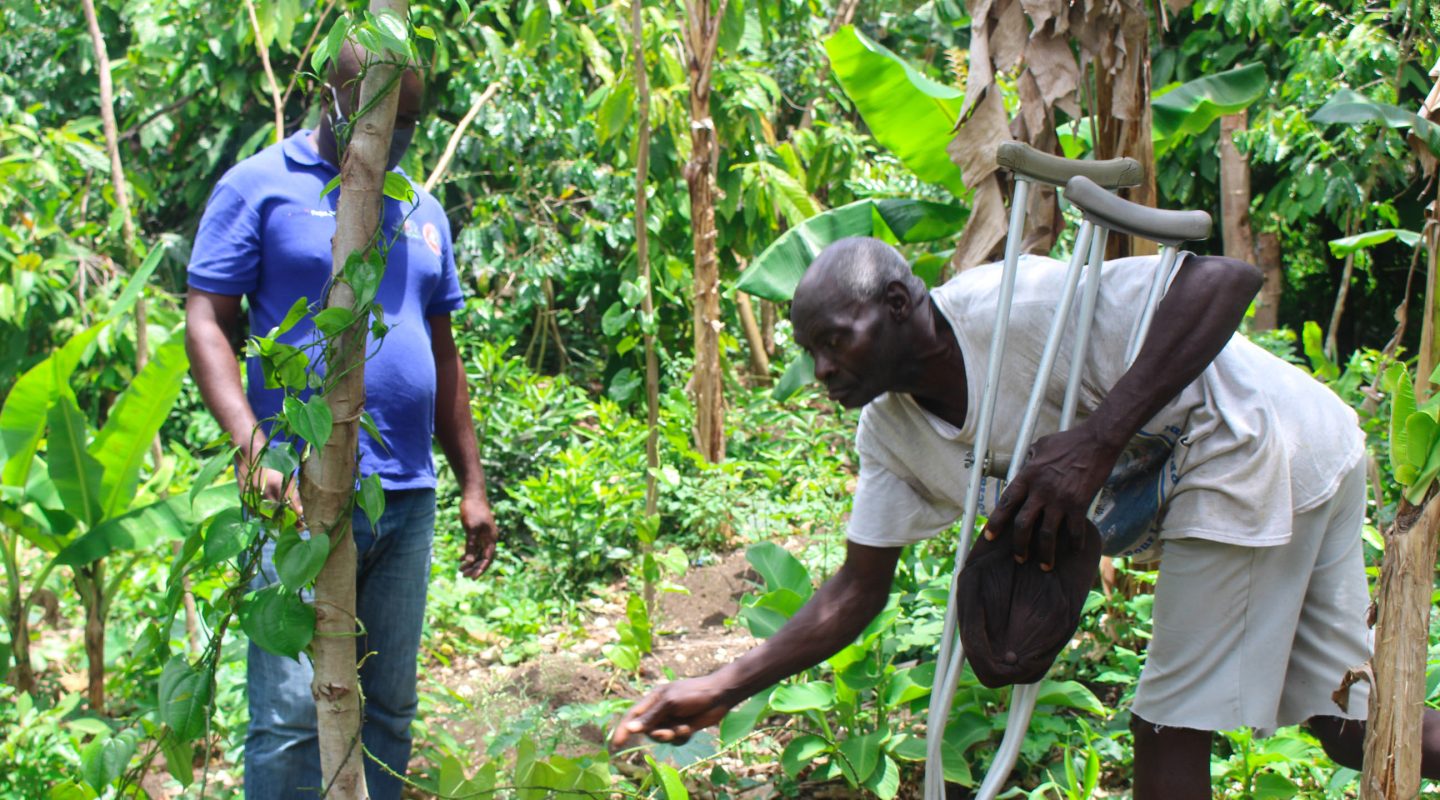
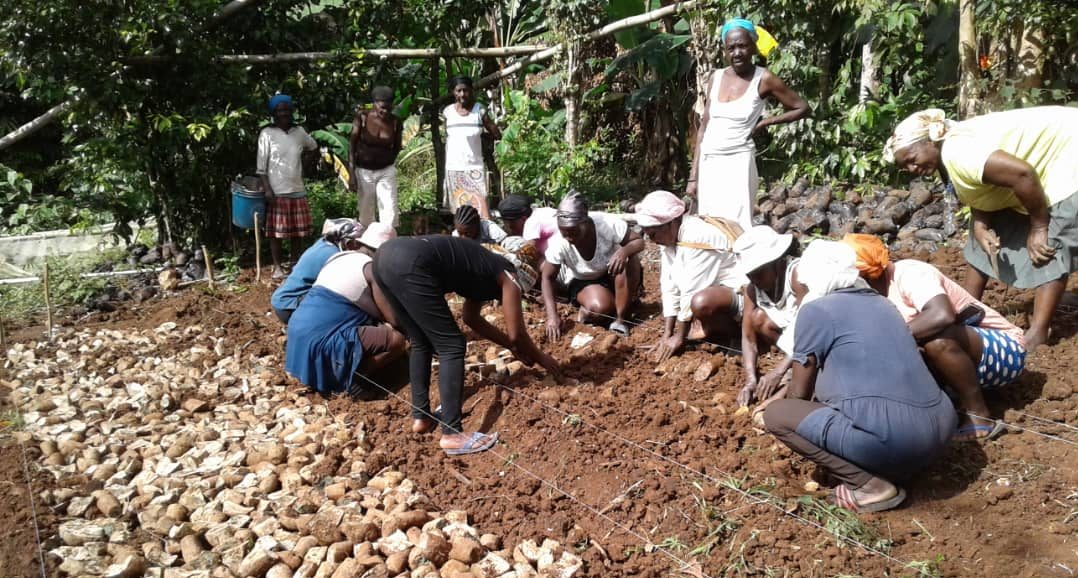
The year 2024-2025 was another year marked by violence, urban exodus, inflation, and food insecurity in Haiti. Despite everything, the circular economy model proved its worth once again.
Excessive inflation in the prices of imported goods, including food products that are difficult to transport to remote rural areas, is significantly exacerbating food insecurity in the country. It is therefore thanks to the dynamics of our circular economy project, which promotes local agricultural products from family farms farming families and their organizations, that school canteens are still operational.
For many families, the school canteen is the main reason for sending their children to school, as it may be their only meal of the day. In addition, this project represents a solvent, regular and predictable market that enables family farms to sell their produce. This income is essential.
This year, 95,564 meals were served to 1,355 students in six schools. Women's groups participated in several training sessions and demonstrated their resilience by developing inspiring new business initiatives such as the sale of processed food products and services to the local population.
Two groups, KOFAKAD and COFPACOD, generated revenues of CAD 430 and CAD 260, respectively. This may seem like a small amount, but it makes a real difference in a context of extreme poverty.
These results encourage us to continue supporting our partners in Haiti. We hope that together we can weather the storm that is shaking the country and build a more inclusive world where everyone has enough to eat.
The circular economy in Haiti is made possible thanks to the financial support of Manger local fait grandir le monde, the Roncalli International Foundation, and the Louise Grenier Foundation.
FO-RI Carbon Neutral AYITI
Coffee and Cocoa
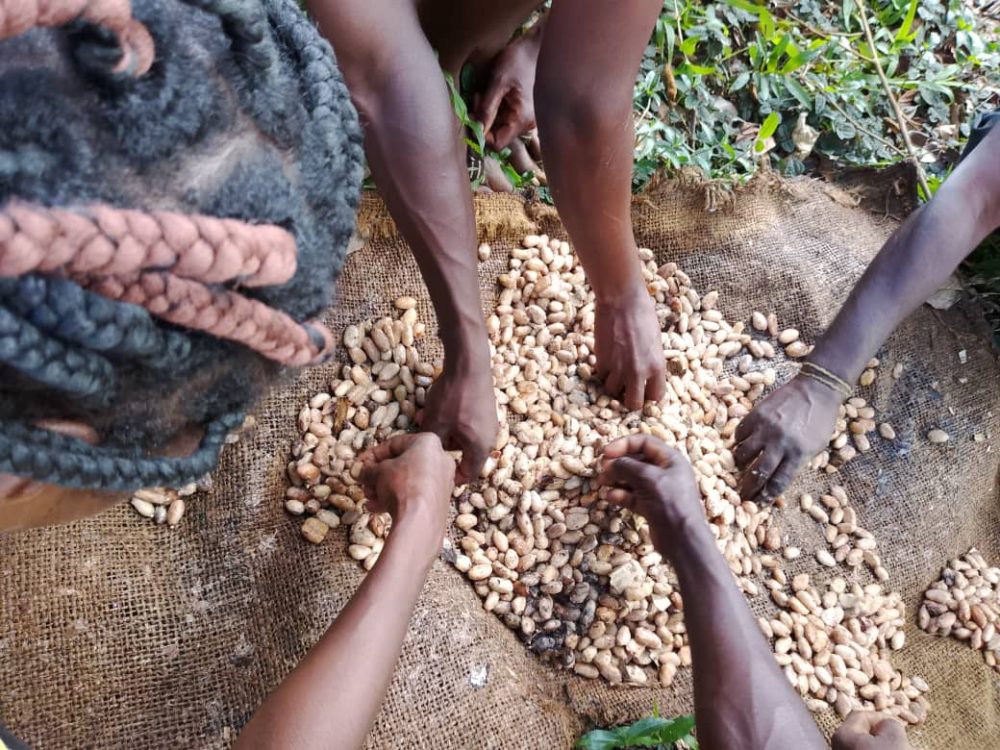
Since 2022, the FO-RI (Farmer-led Research and Innovation) program has been encouraging research and innovation led by women and men farmers to make agri-food systems more resilient to climate change.
The program supports action research projects to diversify coffee-based agroforestry systems and develop cocoa cultivation in the Baptiste region to regenerate soils and improve yields.
During 2024-2025, 1,266 members of the cooperatives of the Union des coopératives caféières de Baptiste (UCOCAB) were trained in action research, agroecology and agricultural income, and participated in various activities.
- Three days of theoretical and practical training with a professional agronomist enabled 50 people to learn how to make biofertilizers and biopesticides such as bokashi, compost, and compost tea to reduce their dependence on chemical pesticides.
- Two professional trainers conducted three training and awareness-raising tours in the eight UCOCAB member cooperatives on topics related to agroecology, with a focus on gender issues and youth inclusion. Thanks to them, the level of women's participation continues to increase.
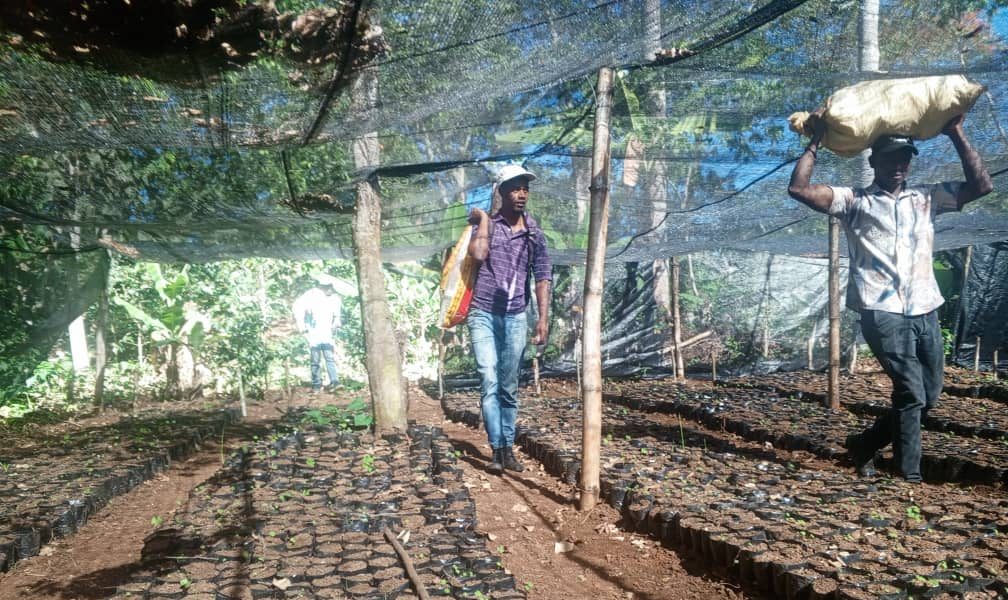
- Nine nurseries for coffee, forest trees, and fruit trees have been set up since the start of the project and this past year, the first cocoa nursery was established with 20,000 seedlings!
A second phase of action research is being carried out in collaboration with the Department of Agronomy at the Université Chrétienne du Nord d'Haïti (UCNH). Under the supervision of the teaching staff, students have carried out various assessments and biochemical and soil fertility analyses on 15 plots located at different altitudes to guide the development of cocoa farming in the area.
This project is promising and is mobilizing a growing number of farmers! UPADI will be closely monitoring the achievements of these resilient farmers involved over the next year.
The FO-RI project is made possible thanks to funding from the European Union and the Organization of African, Caribbean and Pacific States (OACPS), through AgriCord.