Annual Report
2024-2025
Annual Report
2024-2025

Mali

Since the mid-1990s, collective marketing of cereals has been underway in Mali with Faso Jigi, a long-standing partner of UPA Développement international.
Dou Touloma


The Adventure Continues
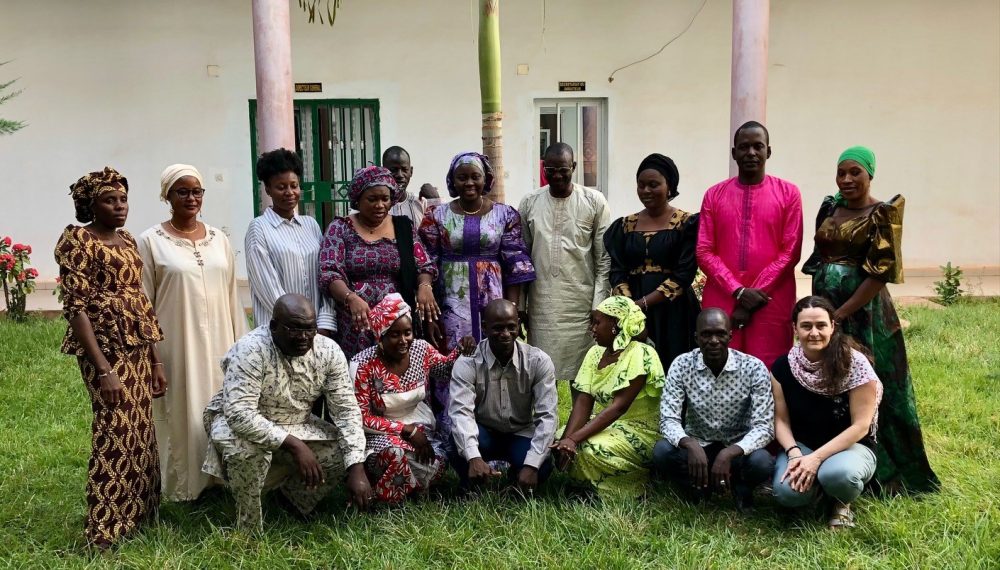
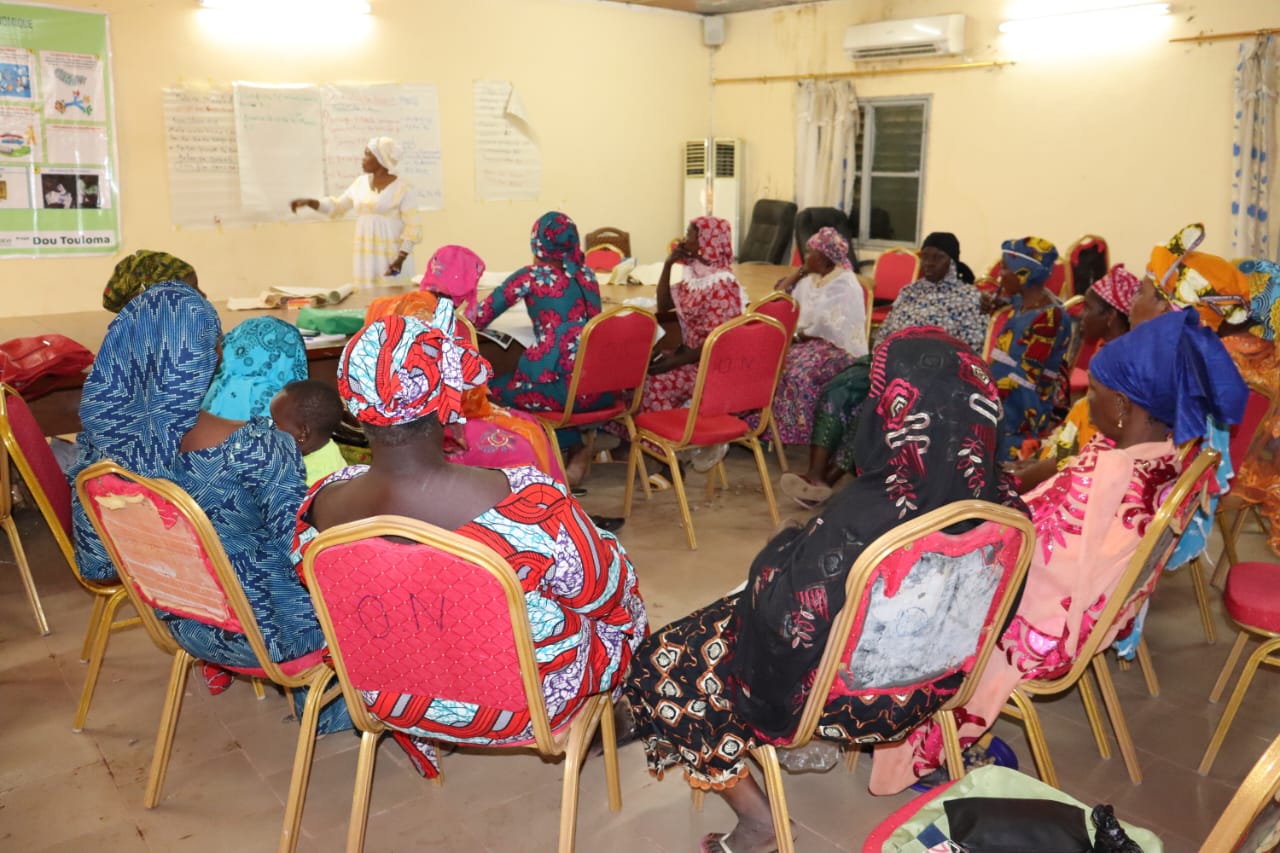
Since 2021, the Dou Touloma project has aimed to empower women farmers by supporting their professional agricultural organizations and unions in improving their services. The collective services offered are thus better suited to the various economic needs of members and the environmental challenges associated with climate change.

This year, two initiatives were particularly noteworthy: the allocation of economic support funds and the integrated field school (CEI) training approach.

Economic Support Funds

Economic support funds for financing green economy projects proposed by cooperatives were allocated by the national committee in November 2024.

Of the 34 projects submitted:

  • 26 projects focusing on strengthening production and marketing capacities were accepted and funded.
  • 8 projects for the acquisition of production equipment and the installation and rehabilitation of market gardens were accepted and will be funded during the 2025-2026 period.

The estimated value of the funds for these projects is 488 million CFA francs, or approximately 1.1 million Canadian dollars! The income from these new activities will enable the cooperatives to improve the services they offer their members.

Integrated School Farms

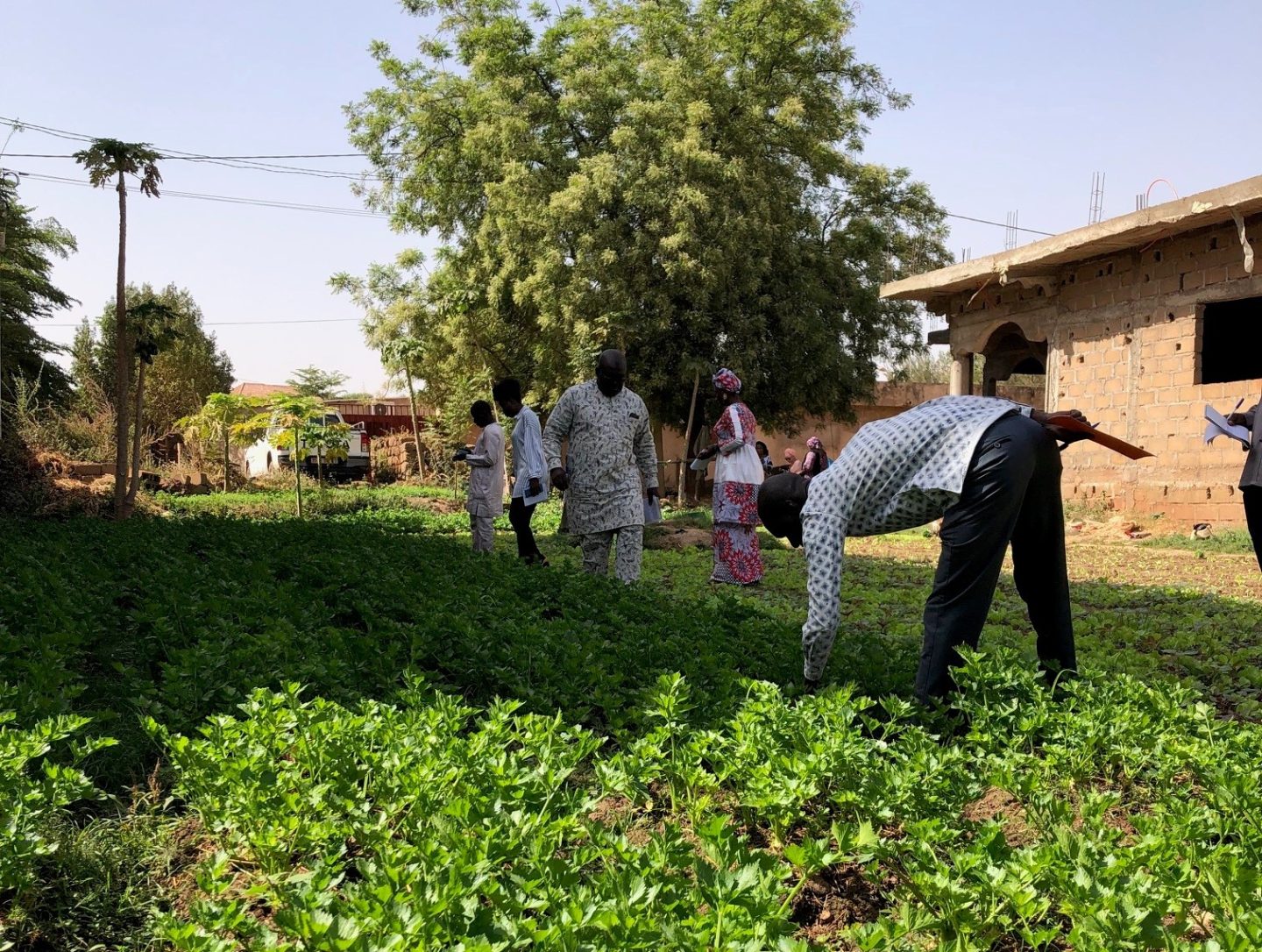
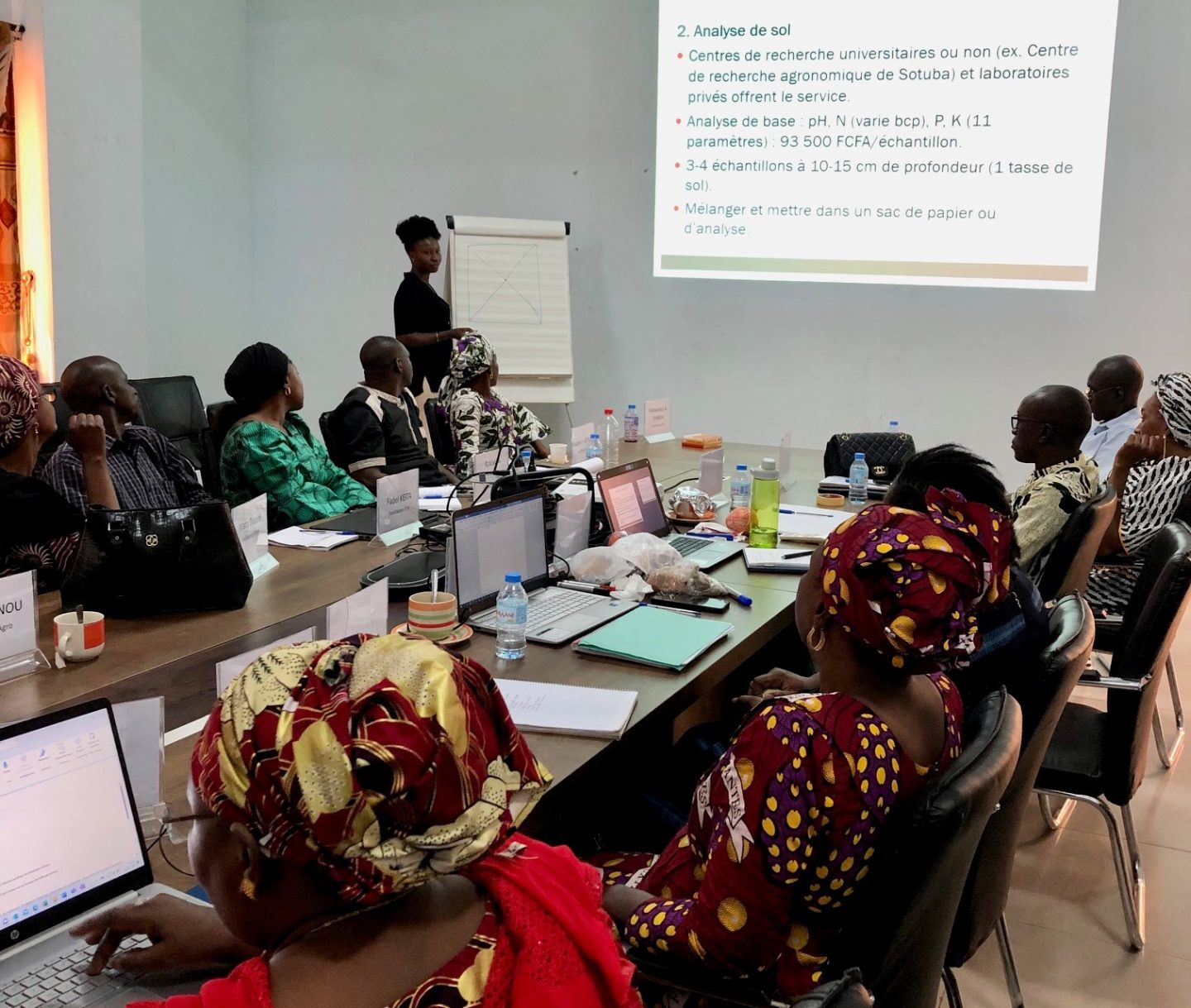
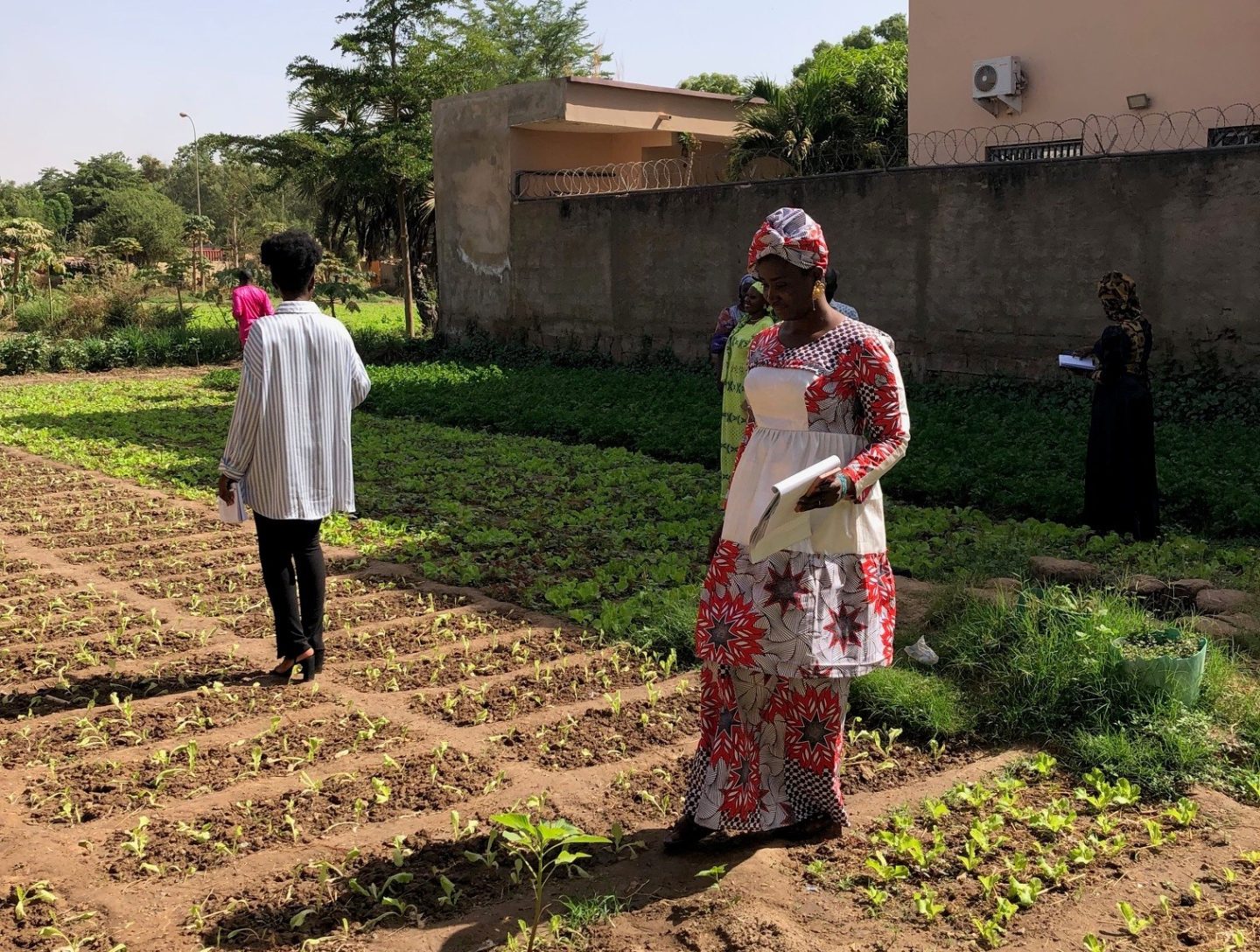
The CEI training approach combines agriculture, agri-food processing, women's leadership, and entrepreneurship to strengthen the capacities of women farmers and enable them to participate more fully in the activities of their organizations.

Over the course of the year, sustainable behavioral changes were observed among participants:

  • Members of 53% of the cooperatives involved adopted good agricultural practices, such as the use of organic fertilizer. Their soils are more fertile and potato, onion, and shallot yields have improved.
  • 413 people, including 394 women, have been trained on gender equality. Women are increasingly confident and there is a better sharing of responsibilities with men.

The seeds of women's leadership sown in recent years are beginning to sprout!

The Dou Touloma project is implemented by the International Agricultural Alliance, formed by the Société de coopération pour le développement international (SOCODEVI), the Centre d'étude et de coopération internationale (CECI), UPA Développement international (UPA DI), and Développement international Desjardins (DID). It is made possible thanks to the financial support of the Government of Canada, through Global Affairs Canada.
Martin Caron
President of the Board

The future of agriculture, here and around the world, depends greatly on the decisions we make and the actions we take today. Hence the expression, “The future starts now.”

This projection into the future calls for deep reflection. Are the necessary resources available? Is the sustainability of family farming assured? Are collective marketing systems alive and well? Are structural initiatives continuing to emerge? Does the next generation of farmers have confidence in the future?

Each of these questions is relevant and deserves careful consideration. If the answer to most of them is yes, we must continue along the same path. If the answer is no, we must act, innovate, unite, and collectively change the course of events —preferably sooner rather than later.

This concern for the future is central to the mission of UPA Développement international (UPA DI), which, since 1993, has drawn on Quebec's agricultural values to support the development of a large number of rural communities around the world.  To do this, we pilot environmentally friendly projects that are transferable to future generations and designed to enhance food security and autonomy for populations.

Our local farmers can take pride in all these projects, as well as in the many forms of representation that UPA DI provides to numerous international organizations. Reading this annual report will surely convince you!

Hugo Beauregard-Langelier
Chief Executive Director

While many are content to believe that the future will be the same as the past or trying to revive an idealized version of the past, others are forging ahead, dreaming of a future they are building. For them, the future is not something that simply happens to us, but something shaped by the actions we take.

These dreams to be built and actions to be taken, have been central in the past year at UPA Développement international (UPA DI).  All this leading to the adoption of a new strategic plan, an opportunity to reflect on the mark UPA DI seeks to leave in the evolving landscape of agriculture and international solidarity.

Rooted in its history, engaged in the present, and ambitious towards the future, UPA DI's vision is for those who feed the world and inhabit our agricultural lands to live with dignity from the fruit of their labour. This vision is built on ecological economic growth, strong collective action, and the socio-economic empowerment of women.

But the realization of these aspirations will inevitably depend on young people, the next generation, who will live in a time where the potential for technological and social innovation has never been greater, yet crises have never been more frequent or severe.

If, as they say, history repeats itself, we must trust these young people who will feed us tomorrow to rise to the challenges they will face, just as our ancestors did before us. And if history repeats itself, UPA DI will be by their side to dream, innovate, and build a future driven by collective action, solidarity, equity, social justice, respect, and democracy.

Happy reading!

Your privacy is important to us. By using this site, you agree to data tracking as described in our Privacy Policy.

Necessary data

The tracking of certain data is required for the operation of the website and therefore cannot be deactivated: choice of language, consent and preference on data tracking, etc.

Mandatory

Optional data

In return, the tracking of certain data is optional and requires your consent: collect statistics on traffic, analyze visitors’ journeys to improve the functioning of the website, offer personalized offers, etc.