Peru
After several projects in Latin America, UPA DI is now present in Peru since 2020, particularly in the coffee sector.
SEPOP 2



Market Access Improvement Project
The project to improve market access, SEPOP 2, is now complete and the results reflect the commitment and dynamism of the participants.
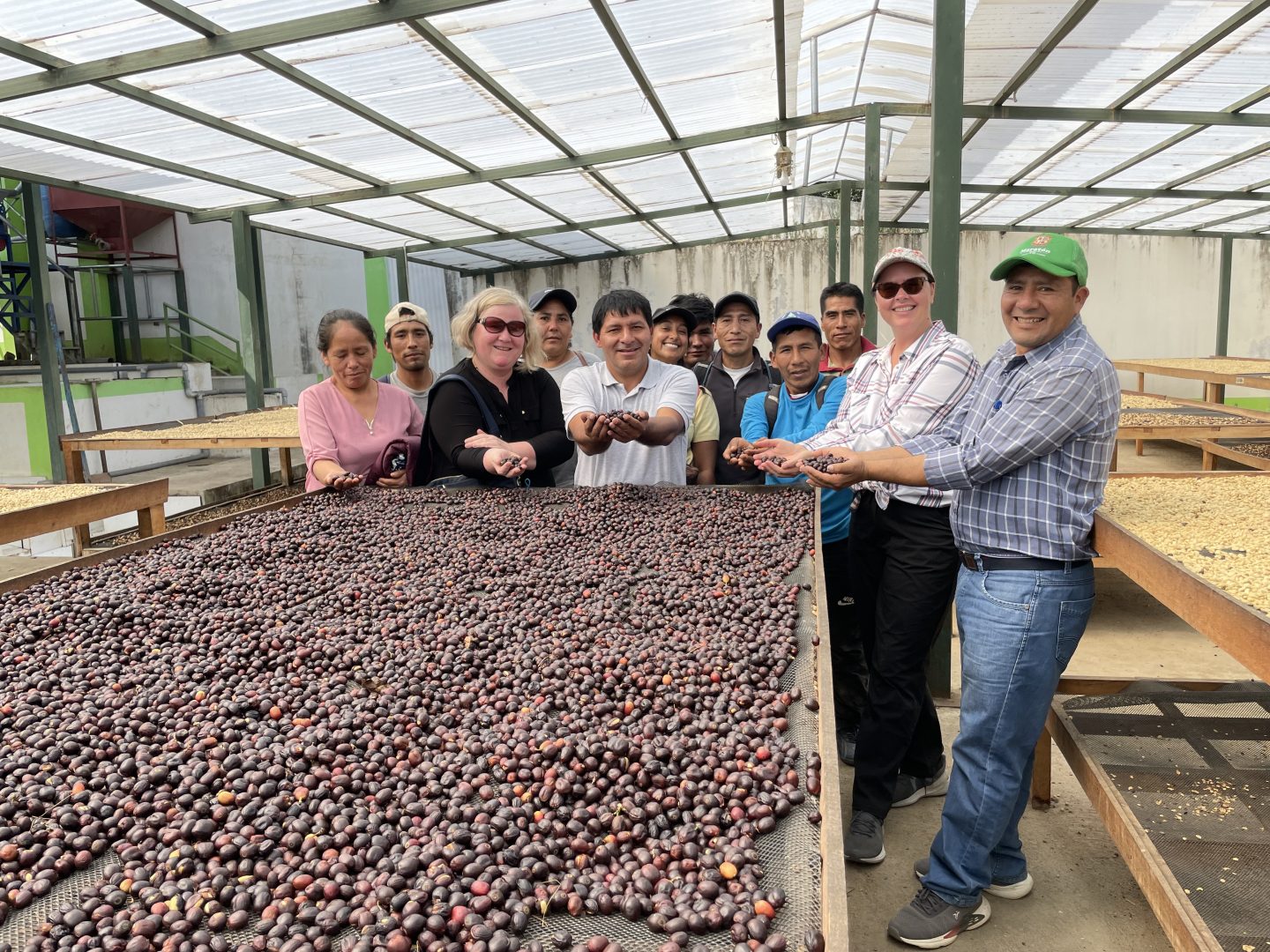
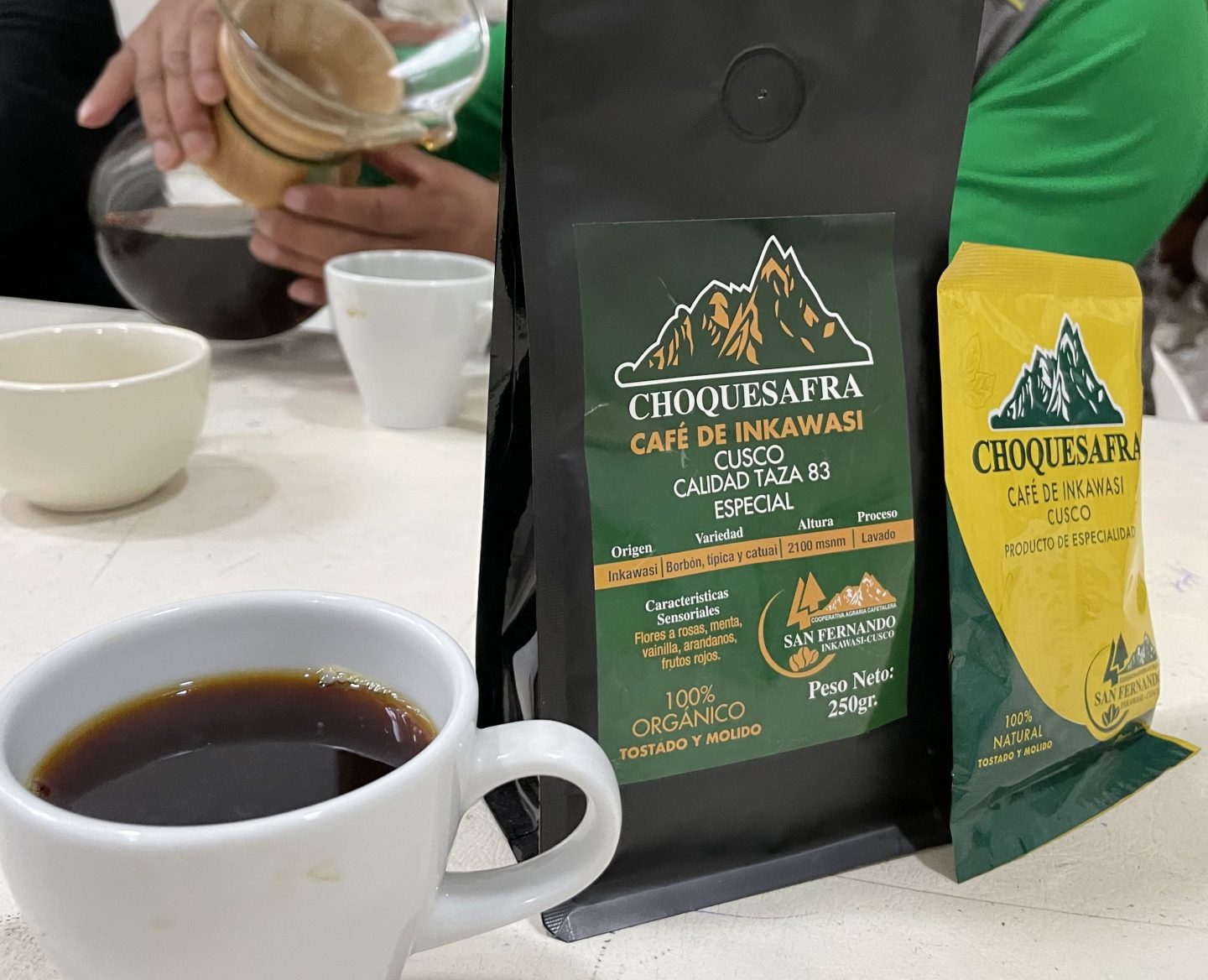
The initiative aimed to promote the sustainable development of Peru's agricultural sector by improving the technical, financial and commercial capacities of family farms, particularly coffee producers in the Andean region of Incawasi.
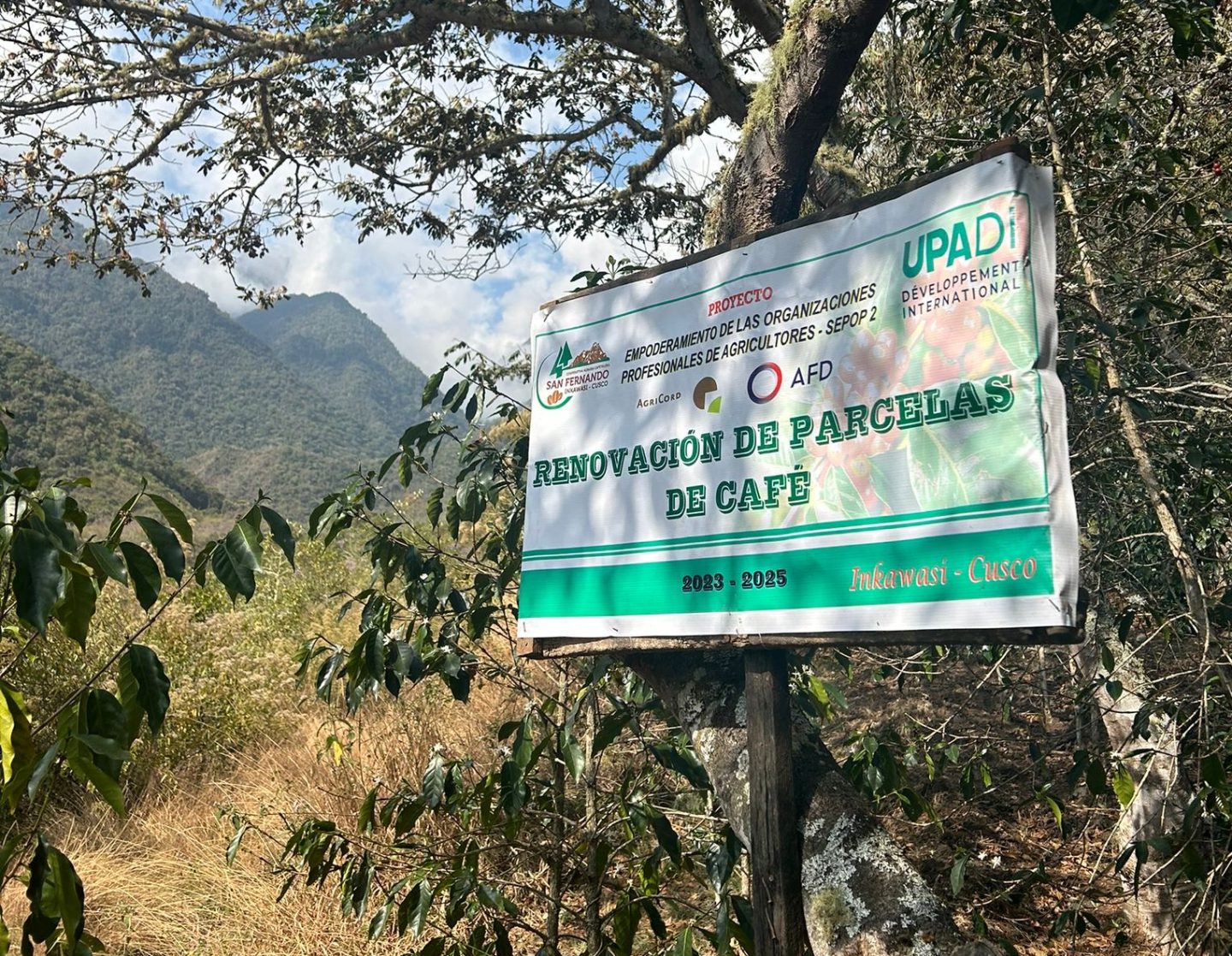
During the project, members of the Cooperativa Agraria Cafetalera San Fernando, which brings together nearly 1,000 coffee producers, rehabilitated 75 hectares of coffee plots and established sustainable agroforestry systems that are resilient to climate change.
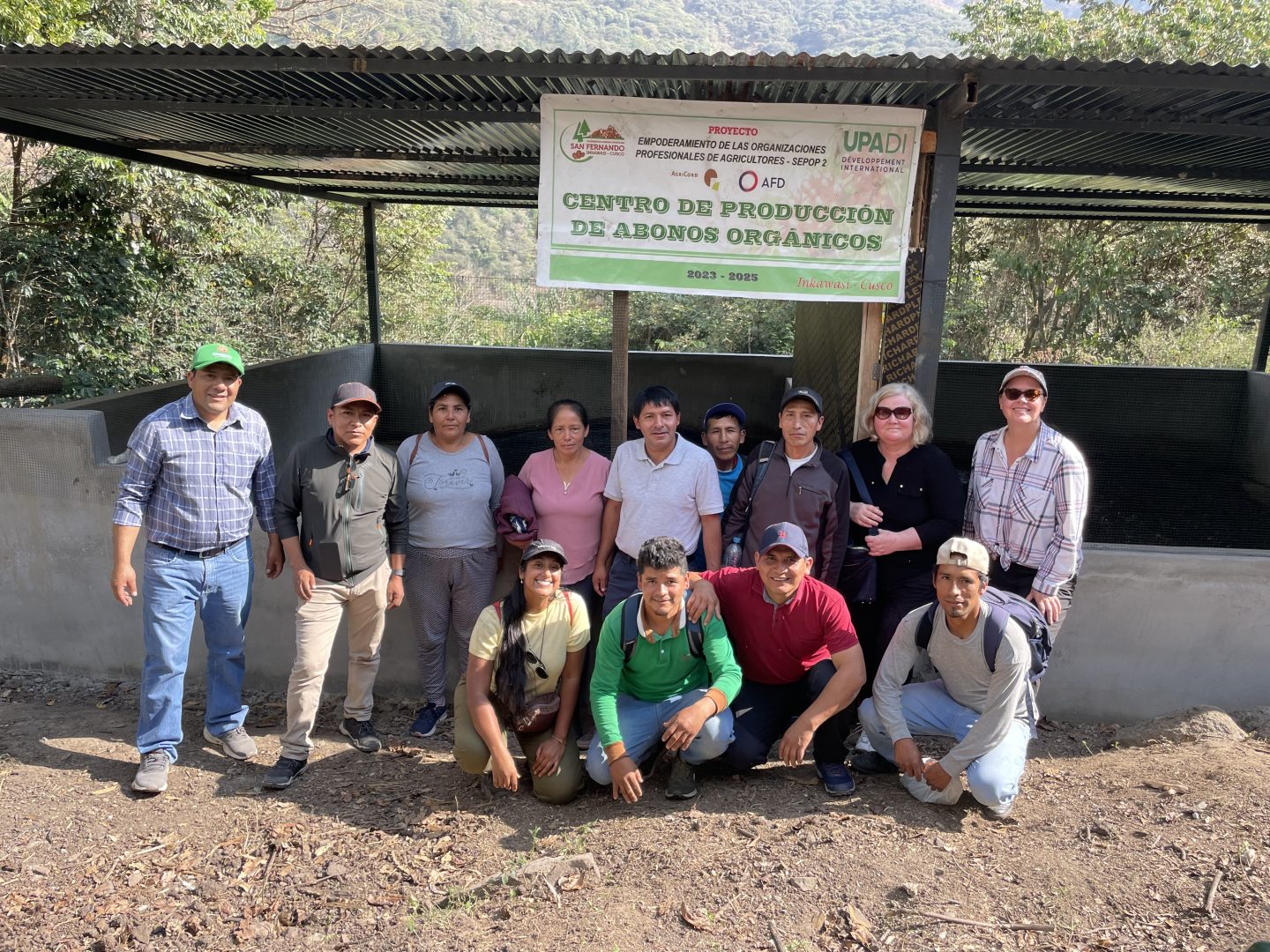
The cooperative also launched a learning center on compost production to facilitate access to quality organic inputs.
A significant increase in the number of women and young members was observed, and their participation was particularly noticeable during training sessions on agricultural project development, quality control, nursery activities, and riparian reforestation.
Following these training sessions, a new women's association called Flor de Café was created. Its members developed a project that won start-up funding to launch their activities!
SEPOP 2 demonstrates that collective action and the involvement of women and young people can achieve great things.
SEPOP 2 in Peru was made possible thanks to financial support from the Agence française de Développement via AgriCord and the Agro-Innov Network of UPA Développement International, supported by Global Affairs Canada.
Solidarity Credit
Solidarity Credit for Farming Families
Access to credit remains a challenge for small farming businesses in Peru, which are often considered “too risky” by traditional banks.
To offer a sustainable solution, UPA Développement international and the Fonds Solidarité Sud, with the support of five volunteers from the Agro-Innov Network, have supported the structuring of RED GIES Nor Oriente, a social and solidarity economy network active in five regions in the northeast of the country.
A $30,000 revolving fund, managed locally with the support of the solidarity-based financial institution FOGAL, was created to finance the projects of some 50 family businesses.
The volunteers also trained 53 people in governance, solidarity-based finance, and cooperative management.
In 2024-2025, the first five business loans will be distributed. This is a model of concrete solidarity, designed to last and supported by communities that are building their future together.